The last train left at 12:31am. I know this because I watched it go.
The platform at Shinjuku Station empties fast. One moment it's crowded — the particular crowded of Tokyo, orderly and purposeful — and then it's just you and a few other people with the same problem. The Yamanote Line runs until approximately 12:30am on weekdays. After that, the options are: wait six hours for the first train of the morning, pay ¥3,000-4,000 for a taxi, or walk.
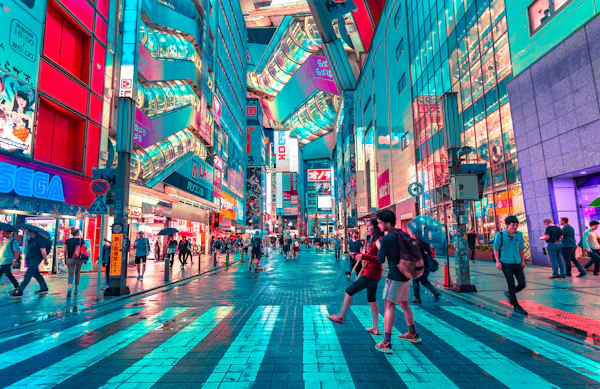
I walked west of the JR West Exit. 200 meters of covered alleyway. Smoke before I saw the sign.
Omoide Yokocho
Omoide Yokocho — Memory Lane, or more colloquially Piss Alley — runs west of Shinjuku Station's JR West Exit. It is narrow enough that two people walking side by side will touch the walls. Most of the stalls have been here since the 1950s. There are 24 of them, each small enough to seat five to eight people at a counter, with a chef working a charcoal grill at arm's length.
The smoke sits at eye level. The charcoal smell is specific — not like a barbecue, but cleaner, more mineral. I stopped at a stall with three empty seats and sat down without fully deciding to.
There was no English menu. There was no menu at all — a handwritten board in kanji that I could not read. The man to my left had a small tower of skewers in front of him. I pointed at them. The chef nodded.
The Order
The man to my left was a salaryman — I know this from the suit, the loosened tie, the particular posture of someone who has been working since 8am and is not quite ready to account for that to his family. He and his two friends were on their third round of highballs. He saw me looking at his skewers and said, in careful English: "This one — kawa. Very good." He pointed to a skewer that looked like chicken skin. It was chicken skin. Crispy, rendered, slightly charred. It was the best thing I ate in Japan.
He then pointed to two others in front of him. "Negima — chicken and scallion. Tsukune — meatball." He said this with the particular seriousness of someone imparting genuinely important information.
The chef brought me all three without me saying a word. The highball appeared shortly after. The skewers were ¥180-240 each. The highball was ¥450.
"The salaryman next to me pointed at the kawa — chicken skin — and nodded like it was the most important thing I would ever do. He was right."
We ate in near silence for an hour. He taught me the word for "delicious" (oishii), and how to say "one more" (mō hitotsu). His friends laughed at my pronunciation and ordered me another round. At some point one of them showed me photos of his daughter's school play. I showed him photos of where I was from. He nodded seriously and said: "Very beautiful country."
Golden Gai at 2am
Golden Gai is five minutes north of Omoide Yokocho, through the edges of Kabukicho. It's a labyrinth of 200+ micro-bars — actual micro, seating five to ten people maximum. Most have a cover charge of ¥500-1,000 when you walk in. Many are themed: jazz bars, rock bars, one that is entirely dedicated to Godzilla memorabilia, one that appears to be a shrine to a particular 1970s manga.
I went into three. In the first, I was the only person there besides the bartender, who spoke no English and made me the best gin and tonic I have ever had. In the second, there were six people from different countries who had all ended up there in the same accidental way I had. In the third, a man was playing guitar quietly in the corner and no one acknowledged this as unusual.
The Bill and the Walk Home
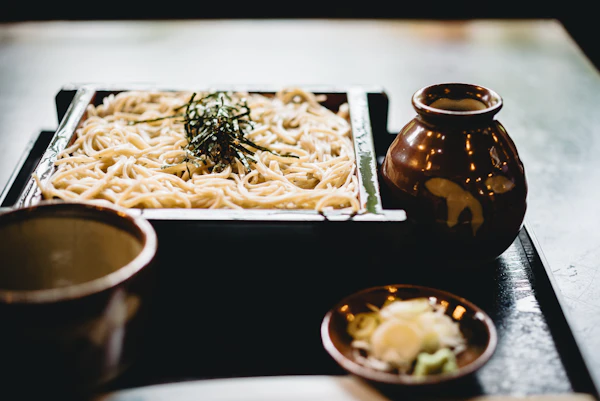
I left Omoide Yokocho at 3:12am. The total for the evening — six skewers, two highballs, the Gai gin and tonics — was ¥2,400 at the yakitori counter and approximately ¥3,500 in the bars. My hotel was 4km east.
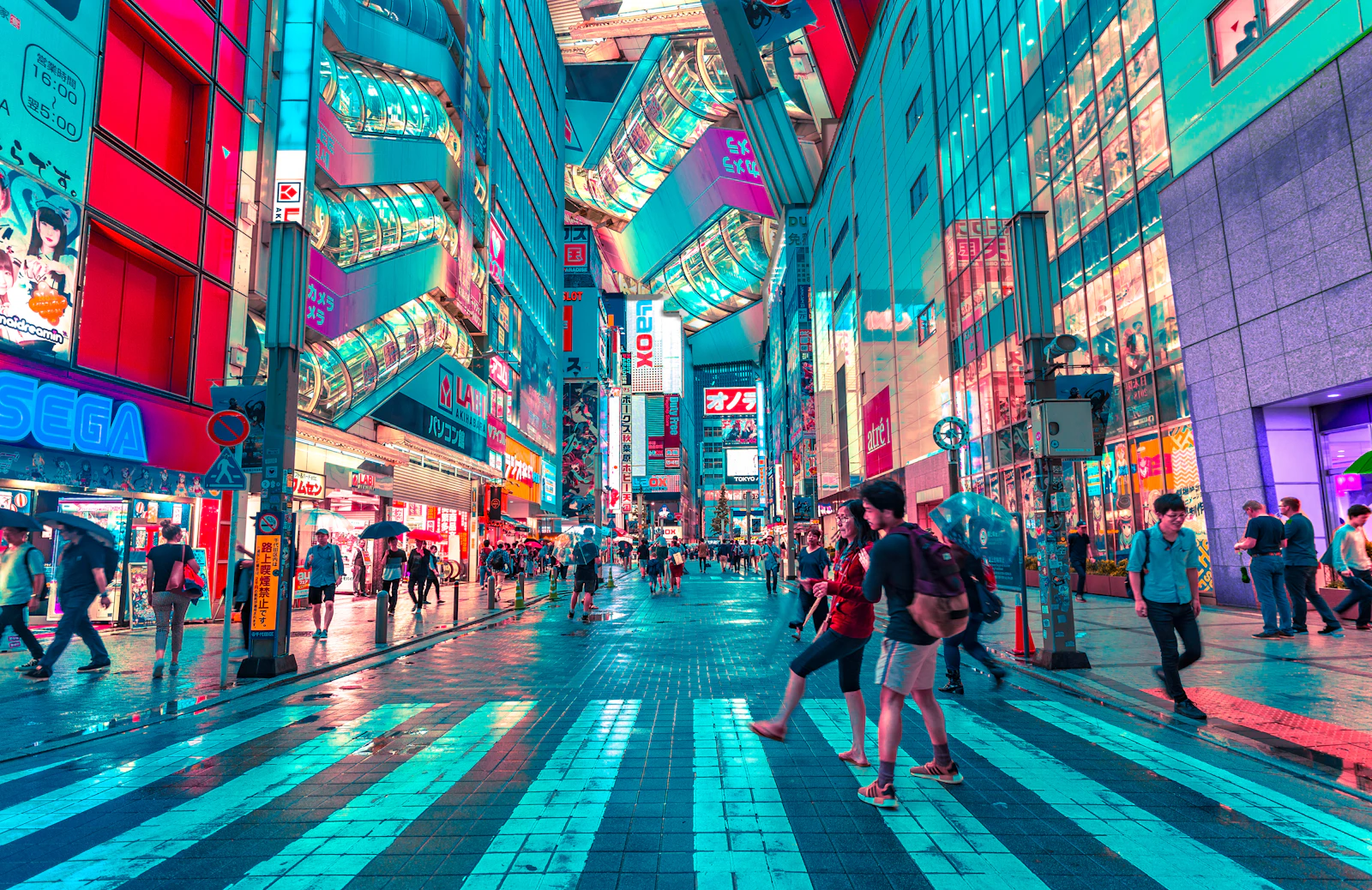
I walked. At 3am in Shinjuku, the city is not empty — it is changed. The businesspeople have gone home. What remains is a different kind of Tokyo: workers finishing late shifts, small clusters of people who are exactly like me in having nowhere specific to be. A 7-Eleven at 3:30am is one of the most peaceful places in the world. I bought an onigiri and ate it on a bench outside.
By the time I reached my hotel it was 4:20am. I had been awake for 22 hours. It was the best day of the trip.
Getting There from Latin America
From São Paulo (GRU): LATAM and Iberia fly via Madrid; JAL flies via Los Angeles. Total journey 18-22 hours. Round-trip fares: approximately USD $900-1,400 depending on season and booking window. Book 3-4 months ahead for best fares.
From Buenos Aires (EZE), Santiago (SCL), Bogotá (BOG): LATAM connections via São Paulo or Los Angeles. Aerolíneas Argentinas connects through various hubs. Expect 22-28 hours total travel time. USD $1,100-1,600 round trip.
From Mexico City (MEX): ANA and JAL fly direct to Tokyo Narita. Approximately 14 hours. USD $800-1,200 round trip.
Hotel in Shinjuku: Expect USD $80-150/night for a business hotel. Shinjuku Washington, Keio Plaza, and Park Hyatt (if the budget allows) are all within walking distance of the station. Capsule hotels from ¥3,500/night exist if you miss the train and need somewhere immediately.
Before You Go
Download Google Translate before landing and set it to offline mode. The photo translation function — point your camera at a menu — works remarkably well and is how I figured out what I was eating at 1am.
Get a Suica card at any train station kiosk. It works on the metro, JR lines, buses, and in most convenience stores. Tap and go. Never think about cash on public transit again.
The last train times are posted at every station entrance and on the Japan Transit Planner app. Miss it once and you'll never miss it again — but also, as I can confirm: missing it is not always a disaster.
On travel insurance for Japan: Japan is a low-risk destination by any measure. Crime is negligible. The food safety is extraordinary. But Japanese hospitals require upfront payment before treatment — there is no "bill us later" arrangement for foreign visitors. A standard hospital visit starts at ¥5,000; anything serious starts at ¥50,000. Asteroid's coverage means you call one number, they coordinate with the hospital directly, and you don't pay anything out of pocket. It costs less than dinner in Shinjuku.