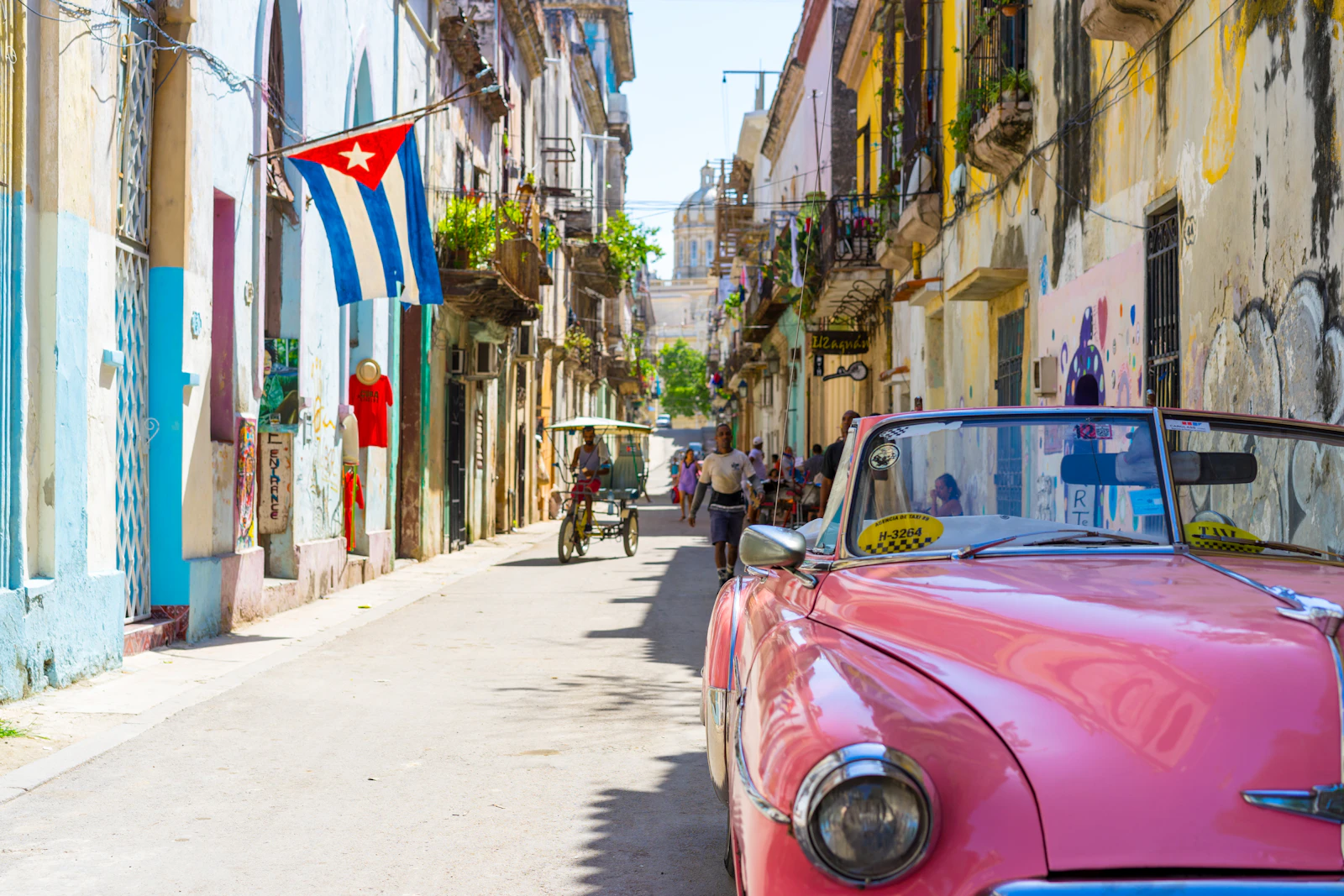
Cuba is a fascinating destination — and a developing country with a fragmented state health system. The Cuban government promotes its medicine as "excellent" — and historically it was, in the 1980s and 90s. But decades of embargo and scarce resources have seriously degraded the infrastructure.
For foreigners that means: you do not access the public system (the "universal Cuban system"). You are steered to private clinics that bill in USD — and bill heavily, because they understand that foreigners have money (or should have insurance).
Medication is also scarce in Cuba. If you fall ill with something requiring specific antibiotics, you may not be able to get them. International insurance opens access to resources the Cuban state system does not offer.
What the Insurance Must Cover
For Cuba we recommend medical and hospital assistance (AMH) of at least USD 150,000 — high, reflecting the isolation, thin infrastructure and complexity of repatriation.
Real medical costs in Cuba (private clinics for foreigners):
| Procedure / Service | Estimated Cost (USD) |
|---|---|
| General medical consultation | 80 - 150 |
| X-ray or ultrasound | 100 - 300 |
| Daily hospitalization (private clinic) | 400 - 1,000 |
| Appendectomy | 6,000 - 14,000 |
| Bacterial infection with hospitalization (5 days) | 4,000 - 10,000 |
| Hemorrhagic dengue (5-7 day hospitalization) | 5,000 - 15,000 |
| Fracture with surgery | 5,000 - 12,000 |
| ICU per day | 800 - 2,500 |
| Specialized medication (scarcity) | 500 - 3,000 |
| Medical repatriation (Cuba → home) | 50,000 - 120,000 |
A real example of island costs: a traveler in Havana develops hemorrhagic dengue on day three. He is admitted to a private Havana clinic (there are few options). Six days in, IV medication, tests. Cost: USD 9,000. Medication is expensive because it is imported; equipment is old. With a complication (ICU), costs triple.
Repatriation from Cuba is particularly expensive because the island is geographically isolated. Direct international flights are limited. A medical evacuation can cost USD 60,000 to USD 120,000.
Main Risks and Precautions
Dengue — Endemic Across Cuba
Dengue is prevalent across Cuba. Epidemics occur periodically (the last big wave in 2022). Zika is also present. Chikungunya can occur.
Hemorrhagic dengue is rare but possible — and potentially fatal without urgent treatment.
Recommendation: obsessive mosquito protection — DEET 30%+ repellent, covering clothes, mosquito nets, indoor insecticide.
Traveler's Diarrhea and Food Poisoning
Restaurant hygiene is inconsistent. Water in some places can be contaminated. Many travelers develop acute diarrhea. Hepatitis A is a risk.
Recommendation: hepatitis A vaccination. Drink bottled water only. Eat at restaurants with an established tourist clientele. Avoid raw/cold food from questionable sources.
Scarce Medication
Cuba suffers chronic medication shortages under the embargo. If you take regular medication, bring a 3+ month supply. If you fall ill and are prescribed a specific antibiotic or other drug, it may be impossible to find. Insurance opens access to medication via repatriation if needed.
Recommendation: bring all personal medication plus extra supply. Carry your prescriptions.
Limited Medical Infrastructure Outside Havana
Havana has a few decent private clinics. Smaller cities (Santa Clara, Santiago de Cuba, Trinidad) have practically no foreigner access — you would be transferred to Havana. The cayos (islands) have emergency care only.
Recommendation: if you fall ill outside Havana, contact your insurer immediately to coordinate a transfer.
Transport Accidents
Havana traffic is chaotic. Many drivers run old cars without adequate brakes. Accidents happen. Car rental is possible, but driving in Cuba is dangerous — roads can be rough, signage minimal.
Recommendation: avoid driving. Use taxis or regulated tours. If you must drive, go slowly and stay fully alert.
Beach Drownings
The beaches at Varadero and the cayos are beautiful, but currents can be strong. Beaches are not lifeguarded the way developed destinations are. Drowning is a real risk.
Recommendation: swim only at known beaches, with other people around. Never swim alone. Respect local warnings.
Is Insurance Mandatory?
Cuba does check insurance at entry per resolution 168/2010 — and beyond the rule, it is absolutely essential given the island's isolation, limited medical access and complex repatriation. Visiting Cuba uninsured is an expensive bet.
How Much Travel Insurance Costs for Cuba
For a 7-day trip with USD 150,000 in medical assistance, repatriation, baggage and cancellation coverage:
- Basic plans: US$22 - US$50 (7 days)
- Robust plans (Asteroid recommended): US$40 - US$80 (7 days)
Cuba costs more to insure because repatriation is expensive and endemic risk is significant. Still cheap next to the potential cost of an emergency on an isolated island.
Protect your next adventure
Travel insurance covering 162 countries. Automatic payout for flight delays. MDabroad TPA 24/7. Get your coverage — 60 seconds
Frequently Asked Questions
Does Cuba require travel insurance?
Cuba requires valid travel insurance at entry (checked on arrival) — and it is essential in practice. Cuba is isolated, its health system is state-run and fragmented, medication is scarce, and medical infrastructure is limited. Foreigners have no access to the public system — you need international private insurance to use the USD-billing private clinics. Repatriation is costly because the island is geographically isolated.
What coverage is recommended?
USD 150,000 in medical coverage minimum — one of our highest floors. Cuba is isolated: repatriation alone runs USD 50,000 to USD 120,000. Emergency surgery costs USD 10,000 to USD 20,000. Hemorrhagic dengue with complications can top USD 15,000. USD 150,000 provides appropriate margin for complex emergencies in a limited medical environment.
How does healthcare work in Cuba for foreigners?
The Cuban public system is citizens-only — tourists cannot access it. You are steered to private clinics (CIMED, Clinica Mediamb) that bill entirely in USD. Decent in Havana, precarious in smaller cities. Medication is scarce. Equipment is old. Any serious emergency outside Havana ends in a transfer to Havana or repatriation.
How real is the dengue risk in Cuba?
Dengue is endemic across all of Cuba. Epidemics occur — the last significant wave was 2022. Zika is also present. Chikungunya can occur. The Aedes aegypti mosquito is active by day. Obsessive mosquito protection is essential — DEET 30%+ repellent, covering clothes, mosquito nets.
Is medication a problem in Cuba?
Yes. Cuba suffers chronic medication shortages under the embargo. If you take regular medication (antidepressants, antihypertensives, insulin), bring a 3+ month supply in original packaging with the prescription. If you fall ill and are prescribed something specific, it may be impossible to find on the island.
What are the visa requirements?
Entry rules vary by nationality — many travelers need only a passport and tourist card. Note that US-linked travel carries specific restrictions under the embargo; check the rules for your passport. Travel insurance is checked at entry.
How does repatriation from Cuba work?
Cuba is geographically isolated. International flights are limited. Medical repatriation means helicopter evacuation to Havana plus an international flight. Costs are high: USD 50,000 to USD 120,000. Your insurance must include repatriation as a primary benefit — it is critical in Cuba.
Can I buy insurance after arriving in Cuba?
Not recommended. Buy before you travel, while you are still at home. A policy bought mid-trip does not cover earlier events. If you arrive in Cuba uninsured and fall ill, a later purchase will be rejected.
Updated: April 2026