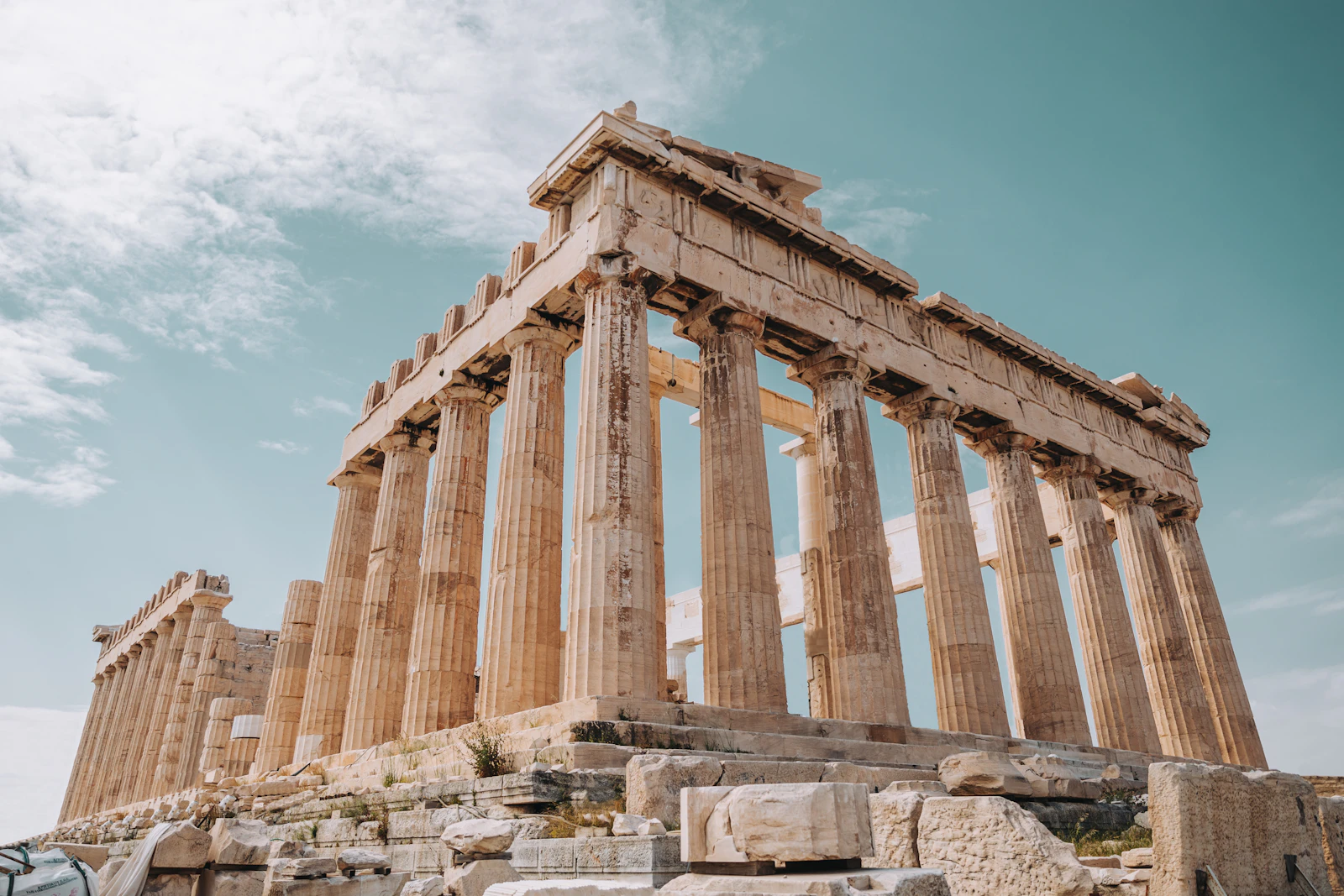
Greece is safe, developed, with European standards of medicine. That is wonderful. But safety and medical standards do not mean "cheap for foreign tourists". The opposite is true: private hospitals in tourist destinations charge a premium.
Greece is also an adventure destination — especially for younger travelers. Motorbike accidents on rocky islands, falls on mountain trails, drownings in rough seas — all of it happens. And when it does, you want immediate access to world-class medicine, not an argument about minimum coverage.
What the Insurance Must Cover
Greece is Schengen — the technical requirement is EUR 30,000. But Asteroid's editorial recommendation is USD 100,000+ (EUR 90,000+) in medical and hospital assistance.
Real medical costs in Greece (Athens, international private hospitals):
| Procedure / Service | Estimated Cost (EUR) |
|---|---|
| General medical consultation | 80 - 150 |
| X-ray or ultrasound | 120 - 250 |
| MRI | 600 - 1,200 |
| Daily hospitalization (private) | 800 - 1,500 |
| Daily hospitalization (public, tourist rate) | 300 - 600 |
| Appendectomy | 7,000 - 15,000 |
| Meniscus surgery | 8,000 - 16,000 |
| Fracture with surgery | 6,000 - 14,000 |
| ICU per day | 1,500 - 3,500 |
| Medical evacuation (Greece → home) | 20,000 - 50,000 |
| Repatriation (corpo ou paciente) | 15,000 - 40,000 |
The Schengen problem: EUR 30,000 buys roughly 25-30 days in a mid-range Greek hospital. A medical evacuation from a remote island (Santorini, Naxos) to a major Athens hospital costs EUR 8,000 to EUR 15,000. Urgent surgery costs EUR 10,000 to EUR 20,000. Now do the math: EUR 30,000 - EUR 15,000 (evacuation) - EUR 15,000 (surgery) = EUR 0. You are broke.
A real example: a traveler in Santorini falls 4 meters while exploring ruins, breaking a leg in two places. Helicopter to Athens. Urgent orthopedic surgery: EUR 14,000. Five days of hospitalization: EUR 5,000. Total cost: EUR 19,000 — all out of pocket on a EUR 30,000 plan. If a complication arose (infection, thrombosis), you would be financially ruined.
Main Risks and Precautions
Motorbike Accidents
Motorbikes rent cheap on the Greek islands. Many travelers, especially young ones, rent with no experience. Roads are rocky, curves are sharp, the asphalt is sometimes bad. Accidents mean fractures, head trauma, serious lacerations.
Recommendation: always wear a helmet, avoid riding if you are not used to it, rent through a regulated service (not informal).
Falls on Mountain Trails
Santorini, Naxos, Crete — all have rocky, steep trails. Many travelers, especially older ones, fall and get hurt. Falls of just 2-3 meters can mean serious fractures or head trauma.
Recommendation: wear proper footwear (not sandals), hire a guide for technical trails, do not walk rocky terrain alone.
Drowning and Water Accidents
Greek seas can be rough, especially in certain seasons. Currents surprise people. Swimmers drown every year in Greece. Diving is popular too — dive embolism is rare but possible.
Recommendation: swim only at lifeguarded beaches, wear life vests for water activities, never dive alone.
Food Poisoning
Greek food is healthy, but hygiene at remote island restaurants can be questionable. Hepatitis A, parasites and seafood toxins are rare but possible risks.
Recommendation: avoid food at very remote or unclean establishments, and drink only bottled water.
Air Pollution in Athens
Athens struggles with air pollution, especially in the hot months. The AQI can hit 150-200. Anyone with asthma, COPD or respiratory problems should take care.
Recommendation: if you have respiratory issues, limit your time in Athens on high-pollution days.
Is Insurance Mandatory?
Yes — Greece is Schengen. Technically you must carry EUR 30,000 in medical coverage for entry. There is no systematic border check, but it is a legal requirement. If something goes wrong (lost documents, having to prove validity), an active policy is your safety net.
More importantly: EUR 30,000 is not enough. Choose USD 100,000+ (EUR 90,000+) coverage.
How Much Travel Insurance Costs for a Greece
For a 14-day trip with USD 100,000 in medical assistance, repatriation, baggage and cancellation coverage:
- Basic plans (Schengen minimum): US$15 - US$33 (14 days)
- Robust plans (Asteroid recommended): US$30 - US$65 (14 days)
The difference between EUR 30,000 (the legal minimum) and USD 100,000 (the safe recommendation) is under US$30 for two weeks. Negligible in price, critical in real coverage.
Protect your next adventure
Travel insurance covering 162 countries. Automatic payout for flight delays. MDabroad TPA 24/7. Get your coverage — 60 seconds
Frequently Asked Questions
Does Greece require travel insurance?
Yes — Greece is a Schengen member. The legal requirement is EUR 30,000 in medical coverage for entry. There is no systematic border check, but it is mandatory when entering Schengen. We recommend confirming current requirements with the Greek embassy before your trip.
What coverage is recommended?
EUR 30,000 is the legal minimum — not the safe minimum. We recommend USD 100,000 (EUR 90,000+) at least. A medical evacuation from Santorini to Athens costs EUR 8,000 to EUR 15,000. Emergency surgery costs EUR 10,000 to EUR 20,000. EUR 30,000 burns fast. USD 100,000 offers real margin for emergencies.
What is the healthcare system like in Greece?
Greece has an excellent universal public system for residents. For tourists, the public sector is inaccessible or of questionable quality. International private hospitals in Athens (Athens Medical Center, American Hospital) offer international standards but bill entirely in EUR at high rates. The islands have small public hospitals with limited resources — any serious emergency gets evacuated to Athens.
How real is the accident risk in Greece?
Greece is safe on crime, but accident risks are real. Motorbike accidents top the list — bikes rent cheap, island roads are rocky, and many travelers rent with no experience. Trail falls, drownings and diving are the other risks. Food poisoning is rare. Athens air pollution is a risk for people with respiratory problems.
O seguro cobre atividades aquáticas?
Generally yes — swimming, snorkeling and sailing are covered by default. Deep technical (SCUBA) diving may require additional coverage. Check your policy if you plan recreational diving beyond snorkeling.
What are the visa requirements?
Many nationalities enter the Schengen Area visa-free for up to 90 days in any 180-day period. You still need valid travel insurance (EUR 30,000+) as an entry requirement. Your passport gets checked; carrying proof of insurance is on you.
Does insurance cover repatriation from remote islands?
Yes — USD 100,000+ plans include medical repatriation and evacuation. A helicopter evacuation from an island to Athens is covered as part of repatriation, and onward transport home as well. That coverage is critical for remote islands like Santorini, Naxos and Mykonos.
Updated: April 2026