Updated April 2026
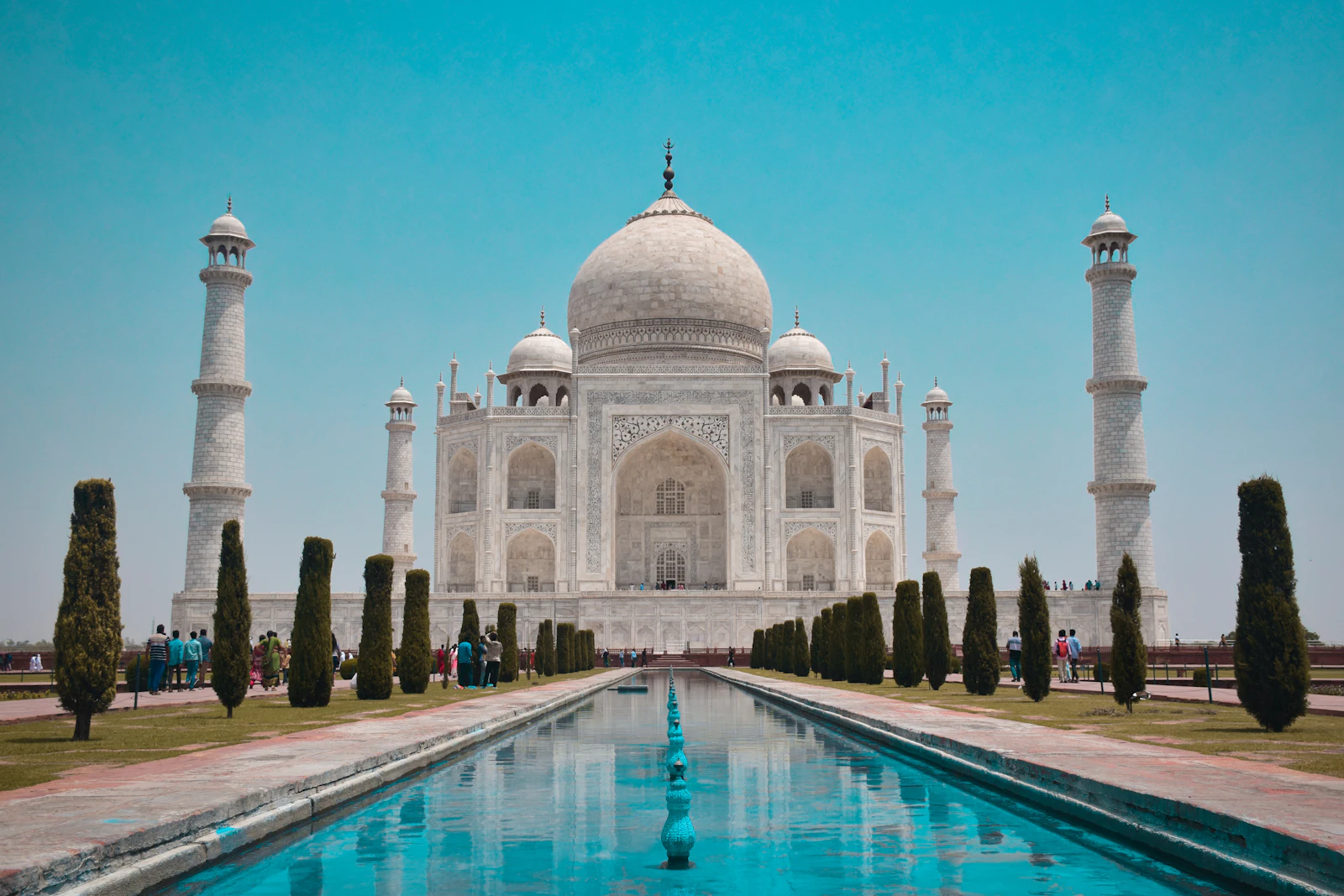
The Taj Mahal at dawn, the ghats of Varanasi, the temples of Hampi, the Kerala backwaters — India is one of the most transformative destinations in the world. It is also one where your immune system will face the biggest test of its life.
Is Travel Insurance Mandatory in India?
For most visitors: Not required by law. International travelers obtêm e-Visa online (necessário).
The reality: severe diarrhea, dehydration, typhoid, hepatitis A, dengue, chaotic-traffic accidents — these are the real reasons insurance is indispensable in India.
e-Visa: Mandatory for International Travelers
- Apply at indianvisaonline.gov.in
- Cost: USD 25 (tourism up to 30 days) or USD 40 (up to 1 year, multiple entries)
- Processing: 3-7 business days
- Insurance not formally required, but recommended as supporting documentation
Medical Costs in India
India has excellent private hospitals in Delhi, Mumbai and Chennai — but the costs are steep for uninsured tourists:
| Procedure | Estimated Cost (USD) |
|---|---|
| Emergency consultation | $40–$120 |
| Hospitalization (per day, private hospital) | $200–$600 |
| Typhoid treatment (5-7 day hospitalization) | $1,500–$4,000 |
| Emergency surgery | $5,000–$20,000 |
| Repatriation home | $50,000–$130,000 |
Principais Riscos
Gastrointestinal Illness
- "Delhi Belly" affects up to 50% of visitors
- Severe cases (cholera, salmonella, pathogenic E. coli) require hospitalization with IV hydration
- Regra de ouro: coma apenas comida cozida e quente, água mineral lacrada
Tropical Diseases
- Dengue: endemic, especially during the monsoon (July-September)
- Malaria: some regions (Rajasthan, the northeast) — see a doctor beforehand
- Tifo: risco real em viagens longas sem vacina
Traffic
- India has one of the highest traffic-accident rates in the world
- Rural roads are particularly dangerous at night
- Motorbikes and tuk-tuks without helmets: refuse, or insist on protection
Calor Extremo
- The Indian summer (April-June): 45-50°C in the north
- Fatal heat waves happen — rigorous hydration is essential
Altitude (norte)
- Ladakh, Spiti, Rohtang Pass: acima de 3,500-5,000m
- Severe altitude risk for anyone arriving without acclimatization
Recommended Coverage
| Coverage | Mínimo | Asteroid Recommendation |
|---|---|---|
| Medical expenses | USD 50,000 | USD 100,000 |
| Medical evacuation | USD 30,000 | USD 75,000 |
| Tropical diseases | Verificar | Includeds |
| Funeral repatriation | Included | Included |
| Bagagem | USD 1,500 | USD 1,500 |
Cenário Real
Juliana, 27, contracted typhoid in Rajasthan after 3 weeks of backpacking. An 8-day hospitalization plus kidney complications:
- Typhoid hospitalization (8 days): USD 3,200
- Exames e medicamentos: USD 800
- Passagem antecipada: USD 1,400
- Total: USD 5,400 — uninsured, an international credit card maxed to its limit
FAQ
1. Do you need a visa for a India?
Yes. The e-Visa is mandatory and must be requested online in advance.
2. What vaccinations do I need for India?
Hepatitis A, typhoid (highly recommended), yellow fever (if arriving from an endemic area). Malaria: prophylaxis depending on the itinerary. See a doctor 6-8 weeks ahead.
3. Is tap water safe?
Nunca. Beba apenas água mineral em garrafa lacrada. Evite gelo, saladas cruas lavadas com água local, frutas descascadas por outros.
4. Are Indian hospitals safe?
Flagship private hospitals in the big cities (Apollo, Fortis, Max) meet international standards. In smaller cities and rural areas, quality varies wildly — an evacuation structure is essential.
5. Are Ladakh and the high-altitude regions covered?
Asteroid Assistance covers altitude, including Ladakh and high-mountain stretches. Recreational trekking is included; technical mountaineering needs checking.
Why Choose Asteroid?
- USD 100,000 in medical expenses
- Tropical and gastrointestinal illness covered
- Evacuation from remote and high-altitude regions
- 24/7 multilingual assistance
Asteroid Assistance — coverage issued by regulated insurers