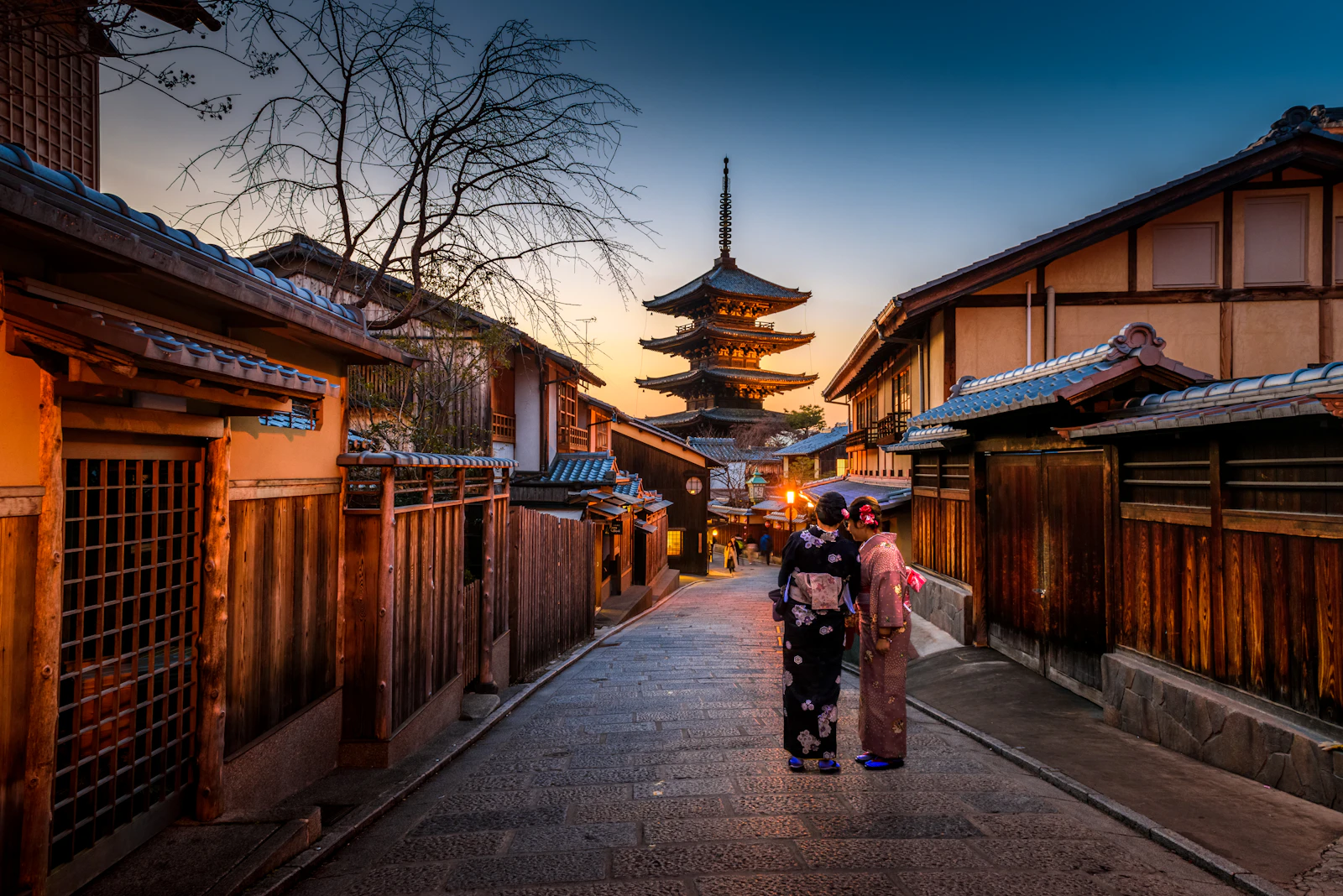
A simple insect bite can lead to complex treatment. In 2023 a traveler exploring the imperial gardens in Tokyo suffered an unexpected allergic reaction. The emergency consultation and IV medication cost over 150,000 yen (about USD 1,000). Uninsured, he paid out of pocket. Dense and fast-moving, Japan is a nation where efficiency is law — but visitor costs can be startling.
Japan has a high-quality healthcare system, but the costs for non-residents and tourists can be prohibitive. Very few countries hold treaties guaranteeing free or subsidized care for tourists in Japan. Every medical expense — from the smallest incident to a serious emergency — is entirely the traveler's responsibility.
Although Japan does not formally require travel insurance for entry — except in specific cases like student visas — traveling without it is reckless. A travel insurance policy is not just a document; it is a vital safety net protecting your finances and your peace of mind.
Real Medical Costs in Japan: Brace for the Bill
Japanese hospitals and clinics are modern and well equipped, with highly qualified staff. But that excellence is expensive, especially for anyone outside the Japanese national health scheme.
| Medical Service | Estimated Cost (JPY) | Estimated Cost (USD) |
|---|---|---|
| Medical consultation (GP) | 5,000 - 15,000 | 35 - 100 |
| Hospital emergency consultation | 10,000 - 30,000 | 70 - 200 |
| Appendicitis (surgery + hospitalization) | 500,000 - 1,500,000 | 3,500 - 10,000 |
| Fracture (treatment + cast) | 100,000 - 500,000 | 700 - 3,500 |
| ICU stay (per day) | 100,000 - 300,000 | 700 - 2,000 |
| Medical evacuation (international) | 3,000,000 - 7,000,000+ | 20,000 - 50,000+ |
Approximate values; they vary by region, hospital and case complexity. Exchange rates fluctuate.
Real scenario: imagine a traveler falling on the steps of a Kyoto temple — a fractured ankle needing surgery. The initial emergency care, X-ray and diagnosis can cost JPY 50,000 (USD 350). Surgery and a 3-day hospitalization easily accumulate JPY 800,000 (USD 5,500). Add physiotherapy and a flight home adapted to the injury, and the total can top USD 10,000 — more if medical evacuation is needed. Robust travel insurance is indispensable.
Coverage Recommendations for Japan: Do Not Pick the Minimum
For Japan, Asteroid recommends at least USD 100,000 in medical and hospital coverage. There is no legal requirement, but the reality of healthcare costs — and the complexity of navigating a fully foreign system — justifies the precaution.
Mind the sub-limits: many policies advertise 'coverage up to US$55,000' while capping each procedure individually — surgery at US$3,700, ICU at US$900/day, evacuation at US$5,500. Read the sub-limits before you buy. MDabroad IS the TPA — not a sub-contractor, not a partner, the actual operator. Asteroid was founded by people who ran TPAs for other insurers for years.
Beyond the medical coverage, consider essentials like:
- Emergency medical evacuation: vital, given the distances and the cost of specialized medical transport home. An international evacuation easily runs USD 20,000 to USD 50,000.
- Medical and funeral repatriation: if the worst happens, these costs can be astronomical; insurance keeps your family from carrying the burden.
- Lost or damaged baggage: with international connections, baggage loss is a real, maddening risk.
- Parametric flight delay: Asteroid pays automatically for delays over 2 hours. More than 60,000 flights were delayed in Japan last year.
- Personal liability: useful if you accidentally damage someone else or their property.
Riscos Comuns ao Viajar for Japan
Japan is one of the safest countries in the world for crime — but there are other risks travelers should know about:
- Natural disasters: Japan is prone to earthquakes, tsunamis, typhoons and volcanic eruptions. Follow local alerts and keep an emergency plan. Most policies cover medical expenses from these events, but trip-interruption coverage varies.
- Cultural differences: culture shock, communication hurdles (fluent English is rare outside the big tourist centers) and adapting to local customs can produce stress or small incidents.
- Common health issues: flu, colds, stomach trouble from dietary or water changes. Pack a basic first-aid kit. For anything serious, access to good hospitals is guaranteed — but as noted, not cheap.
- Traffic accidents: the public transport network is excellent, but accidents happen. If you rent a car, make sure your international license is valid and the vehicle insurance covers accidents.
Frequently Asked Questions
Q1: Is travel insurance mandatory to enter Japan?
A1: No — travel insurance is not mandatory for short-stay tourists entering Japan. It is highly recommended, though, given the steep medical costs and the absence of health agreements for visitors.
Q2: What is the minimum medical coverage for Japan?
A2: There is no legal minimum, but Asteroid recommends at least USD 100,000 in medical and hospital coverage for Japan. That protects you against most serious medical emergencies and evacuations.
Q3: My credit card offers travel insurance. Is it enough?
A3: Credit-card travel insurance can be an option, but it often carries limited coverage and sub-limits that are poor fits for high-cost destinations like Japan. Read the policy carefully — especially the medical, repatriation and evacuation coverage. Many do not pay providers directly, requiring you to pay and claim reimbursement later, which is a real problem in an emergency.
Q4: What should I do in a medical emergency in Japan?
A4: In an emergency, call the Japanese emergency number (119 for an ambulance) or contact your insurer's 24-hour line immediately. They can point you to partner hospitals and clinics and coordinate the care. Keep your policy number and insurer contact at hand.
Q5: Does travel insurance cover natural disasters like earthquakes and typhoons?
A5: Most policies cover medical expenses from accidents or illness, which includes injuries caused by natural disasters. Coverage for trip interruption or cancellation due to natural disasters varies, though. Check your policy's terms for the specifics.
Q6: Can I buy travel insurance after arriving in Japan?
A6: You can buy insurance mid-trip, but options narrow and some insurers apply waiting periods or exclusions for events right after purchase. It is always better to buy before you board.
If you do not have protection for this trip yet, quoting Asteroid takes less than 60 seconds — and covers 162 countries with automatic flight-delay payouts.
Asteroid Assistance — coverage issued by regulated insurers