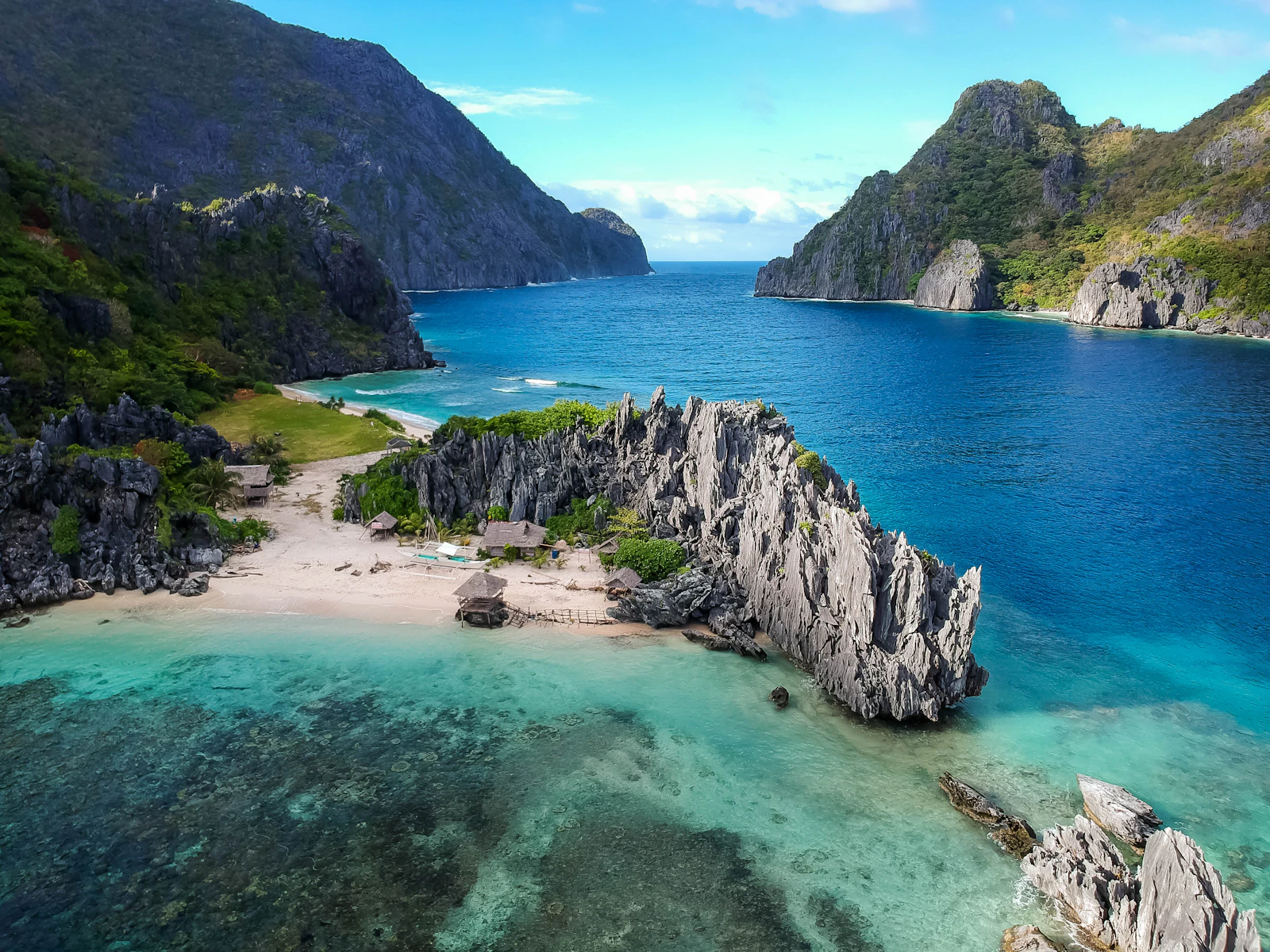
The Philippines draws travelers chasing cheap beaches, diving, surf and island culture. Most spend their time on the islands (Boracay, Siargao, El Nido, Palawan). All of it is wonderful — until you catch dengue, have a boat accident, or develop a serious gastrointestinal infection.
That is when you discover that medical access on remote islands is practically zero. You need a boat or helicopter evacuation to Manila — cost: USD 40,000 to USD 80,000. Uninsured, that comes out of your pocket.
Dengue is also highly prevalent. A hemorrhagic-dengue hospitalization costs USD 6,000 to USD 15,000 in Manila — all out of pocket without insurance.
What the Insurance Must Cover
For the Philippines, we recommend medical and hospital assistance (AMH) of at least USD 100,000, ideally USD 150,000 — high, reflecting endemic risk, remote access, and the complexity of repatriation.
Real medical costs in the Philippines (private hospitals in Manila and Cebu):
| Procedure / Service | Estimated Cost (USD) |
|---|---|
| General medical consultation | 60 - 120 |
| X-ray or ultrasound | 80 - 200 |
| Daily hospitalization (private, Manila) | 600 - 1,200 |
| Daily hospitalization (private, Cebu) | 400 - 800 |
| Appendectomy | 6,000 - 14,000 |
| Hemorrhagic dengue (5-day hospitalization) | 5,000 - 12,000 |
| Fracture with surgery | 5,000 - 12,000 |
| Food poisoning with hospitalization | 2,000 - 6,000 |
| ICU per day | 1,000 - 2,500 |
| Air evacuation (Boracay → Manila) | 30,000 - 60,000 |
| Repatriation (Philippines → home) | 50,000 - 120,000 |
A real example of remote-island costs: a traveler in El Nido has a boat accident — a deep head wound. He is stabilized at El Nido's very limited basic clinic, evacuated by speedboat and small plane to Cebu, then to Manila for surgery. Total: USD 28,000 (evacuation + hospitalization + surgery). Without insurance, financial disaster.
Main Risks and Precautions
Dengue — Endêmica em TODA Philippines
Dengue is prevalent in every region of the Philippines — Manila, Cebu, Boracay, Palawan, all of it. Especially in the rainy season (June-November), the risk is very high.
Hemorrhagic dengue is rare but possible, and potentially fatal.
Recommendation: obsessive mosquito protection — DEET 30%+ repellent, covering clothes, mosquito nets, indoor insecticide.
Chikungunya e Zika
These diseases also circulate in the Philippines, carried by the same Aedes aegypti mosquito. Mosquito protection guards against these too.
Food Poisoning e Problemas Gastrointestinais
Street-restaurant hygiene is inconsistent. Water in smaller towns can be contaminated. Many travelers develop acute diarrhea. Hepatitis A is a risk.
Recommendation: hepatitis A vaccination. Drink bottled water only. Eat at restaurants with an established tourist clientele.
Boat Accidents and Drowning
The Philippines is an archipelago — much of what you do involves boats: island-hopping, snorkeling, diving. Boat accidents happen — collisions, capsizes, drownings. Diving carries its own risks (embolism, decompression, drowning).
Recommendation: use established operators. Follow safety instructions. Wear life vests. Diving: dive with a certified operator and use the buddy system.
Zero Remote Medical Access on the Islands
Boracay, El Nido, Siargao, Palawan — these paradise islands have practically no hospital access. Basic resort clinics can handle first aid. Any serious emergency requires evacuation to Manila — boat plus plane, a long and expensive process.
Recommendation: robust insurance with repatriation coverage is absolutely critical if you plan remote islands.
Malaria em Mindanao
Malaria is endemic in Mindanao, especially remote regions. Boracay, Cebu and the Visayas are low-risk. Manila is safe. If Mindanao is on your itinerary, prophylaxis is recommended.
Recommendation: avoid Mindanao if possible (it is also riskier for general security). If you go, ask a doctor about antimalarial prophylaxis.
Crime in Manila
Manila has tourist-targeting crime — bag snatching, muggings, and sexual crimes against women traveling alone. Avoid walking alone at night. Use taxis or Uber.
Recommendation: stay in safe districts (Makati, Fort Bonifacio). Do not walk at night. Use Uber/Grab.
Is Insurance Mandatory?
Not legally. The Philippines does not require travel insurance for entry. It is absolutely recommended, though — especially if you spend time on remote islands. Endemic dengue, remote access and high repatriation costs make robust insurance a necessity.
How Much Travel Insurance Costs for the Philippines
For a 14-day trip with USD 100,000-150,000 in medical assistance, repatriation, baggage and cancellation coverage:
- Basic plans: US$16 - US$36 (14 days)
- Robust plans (Asteroid recommended): US$30 - US$65 (14 days)
The Philippines is an affordable destination, and insurance costs reflect that. But we recommend USD 150,000 (not just USD 100,000) given the endemic risk and remote access.
Protect your next adventure
Travel insurance covering 162 countries. Automatic payout for flight delays. MDabroad TPA 24/7. Get your coverage — 60 seconds
Frequently Asked Questions
Philippines exige seguro?
Not legally. But it is absolutely recommended. The Philippines combines multiple risks: dengue endemic everywhere, a fragmented health system, practically zero medical access on remote islands, and high repatriation costs. That combination makes robust insurance a clear necessity.
What coverage is recommended?
USD 150,000 in medical coverage recommended, USD 100,000 minimum. The Philippines is unusual because remote-island rescues are expensive in themselves (USD 30,000 to USD 80,000), and hemorrhagic dengue with complications can top USD 12,000. Emergency surgery in Manila runs USD 10,000 to USD 20,000. Full repatriation costs USD 50,000 to USD 120,000. USD 150,000 provides appropriate margin.
What is the healthcare system like in the Philippines?
The public system is free for residents, inaccessible for foreigners. Private hospitals in Manila (Makati Medical Center, St. Luke's Medical Center) offer reasonable quality but bill in USD. Cebu has cheaper private options. Smaller cities are of questionable quality. Remote islands have practically no hospital access — basic resort clinics do first aid only. Any serious emergency ends in an air evacuation.
How real is the dengue risk in the Philippines?
Dengue is endemic in every region of the Philippines — Manila, the islands, everywhere. Epidemics strike especially in the rainy season (June-November). Hemorrhagic dengue is rare but possible. Obsessive mosquito protection is essential — DEET 30%+ repellent, covering clothes, mosquito nets.
Is it safe to dive in the Philippines?
Diving is popular and generally safe with certified operators. Risks: decompression sickness, drowning, equalization problems. Dive only with established operators, use the buddy system, never dive alone. Recreational diving is covered by standard insurance. Technical diving (deep, cave) may require additional coverage.
Does insurance cover evacuation from remote islands?
Yes — critical for the Philippines. Rescues from Boracay, El Nido or Siargao require boat/helicopter. Costs: USD 30,000 to USD 80,000. Your insurance must cover this under medical evacuation/repatriation. Verify your policy includes "air evacuation" and "remote-area repatriation".
Can I buy insurance after arriving in the Philippines?
Not recommended. Buy before you travel, while you are still at home. A policy bought mid-trip does not cover earlier events. Illness arising before a mid-trip purchase will be rejected as pre-existing.
What are the visa requirements?
Many nationalities enter the Philippines visa-free for up to 30 days, with extensions available. No insurance requirement by law. It is recommended for health reasons, though.
Updated: April 2026