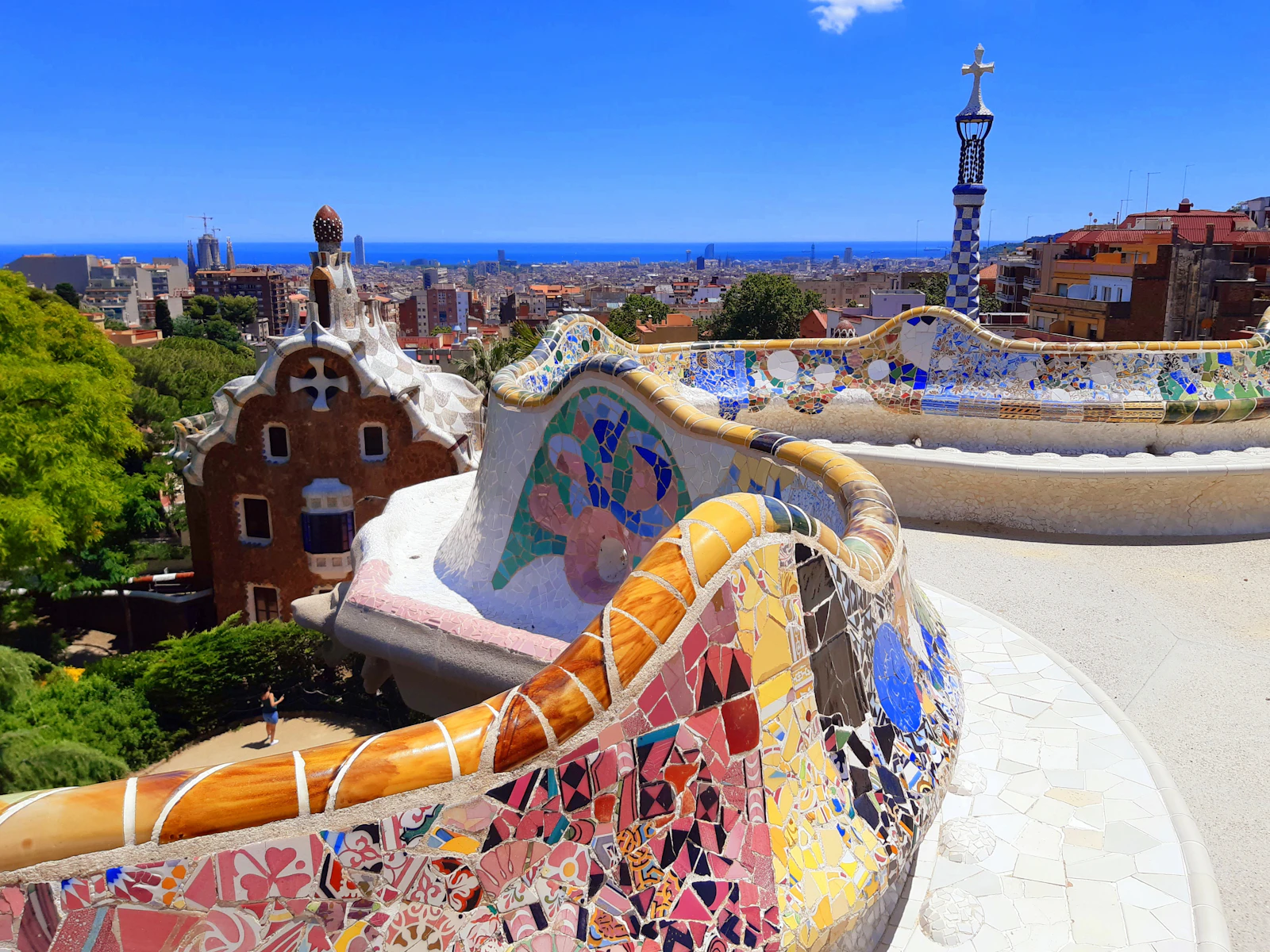
Every year 83 million tourists visit Spain — and the public health system treats all of them, though not for free if you are not European. From the buzz of Barcelona and Madrid to the mystique of the Camino de Santiago and the audacity of San Fermín, Spain offers a wealth of experiences. But as with any international trip, being prepared for the unexpected is crucial. What do you do if your belongings are taken or a medical emergency strikes?
Safety and Common Risks in Spain
Spain is a safe country, but some precautions are in order. Barcelona in particular is known as Europe's number-one city for street theft. Tourist areas like Las Ramblas, the Gothic Quarter and public transport are pickpocket territory. Keep valuables secured and avoid distractions.
For the adventurous, the Camino de Santiago — 700-plus kilometers of trails — offers an unforgettable journey, and its risks. Blisters, sprains, falls and exhaustion are common and need medical attention. San Fermín in Pamplona, especially the bull run, has a record of serious injuries — from bruises to fractures and gorings — demanding emergency, specialized care.
The Spanish Health System: Costs and Access for Tourists
The Spanish public health system is renowned for its efficiency, but it is not free for non-Europeans. Without a European Health Insurance Card (EHIC), tourists must pay the costs or carry travel insurance that covers them.
Hospitalization costs in Spanish hospitals vary, but can be significant:
- A day in a public or private hospital can cost €600 to €1,000, depending on the complexity of the case.
- An emergency consultation, tests and medication can quickly add up to hundreds of euros.
Picture a scenario: exploring Gaudí's architecture in Barcelona, you fall and fracture an arm. The emergency care, X-rays, immobilization and painkillers easily add up to thousands of euros. A more serious event can mean tens of thousands — a financial burden nobody wants on vacation.
The Insurance Requirement and Recommended Coverage
Like France, Spain is part of the Schengen Area, which makes travel insurance with at least €30,000 in medical and hospital (DMH) coverage mandatory. But Asteroid Assistance insists: that legal requirement is a starting point, not a safe ceiling.
For a trip to Spain and the rest of Europe, we emphatically recommend at least USD 100,000 in coverage. Healthcare costs for tourists in high-demand areas can run 2 to 3 times what residents pay. And an emergency medical evacuation home can easily exceed the €30,000 minimum on its own, leaving the traveler stranded.
Be alert to the "sub-limit trap". Many policies advertise a high headline total while imposing individual caps per procedure — say US$3,700 for surgery, US$900 per ICU day. In a serious emergency those caps run out fast, gutting the advertised protection. Read the contract carefully to understand your real coverage.
Your Spain Trip with Asteroid Assistance Peace of Mind
At Asteroid Assistance, your peace of mind is the priority. Our travel insurance plans exceed the legal minimums, with robust, transparent coverage free of deceptive sub-limits. Our edge includes a parametric layer for fast payouts in specific situations, and MDabroad TPA's continuous support — trilingual 24/7 assistance managing any medical emergency with maximum efficiency.
Explore the wonders of Spain, from its vibrant cities to its unforgettable landscapes, knowing you are protected by a partner you can trust.
FAQ: Travel Insurance Spain
1. Is travel insurance mandatory for Spain? Yes — Spain is part of the Schengen Treaty, which requires travel insurance with at least €30,000 in medical and hospital coverage for all non-European visitors.
2. What is the right coverage amount for Spain? For a safe trip to Spain, Asteroid Assistance recommends at least USD 100,000 in medical and hospital coverage — tourist healthcare costs can be steep.
3. What should I look for in insurance for the Camino de Santiago or San Fermín? For higher-risk activities like trekking the Camino or joining San Fermín, look for adventure-sports coverage. Also check for sub-limits on injuries or rescues tied to those activities.
Travel with confidence and explore the best of Spain without worry.
[Quote your Spain travel insurance now!] [Learn more about health and safety in Spain]