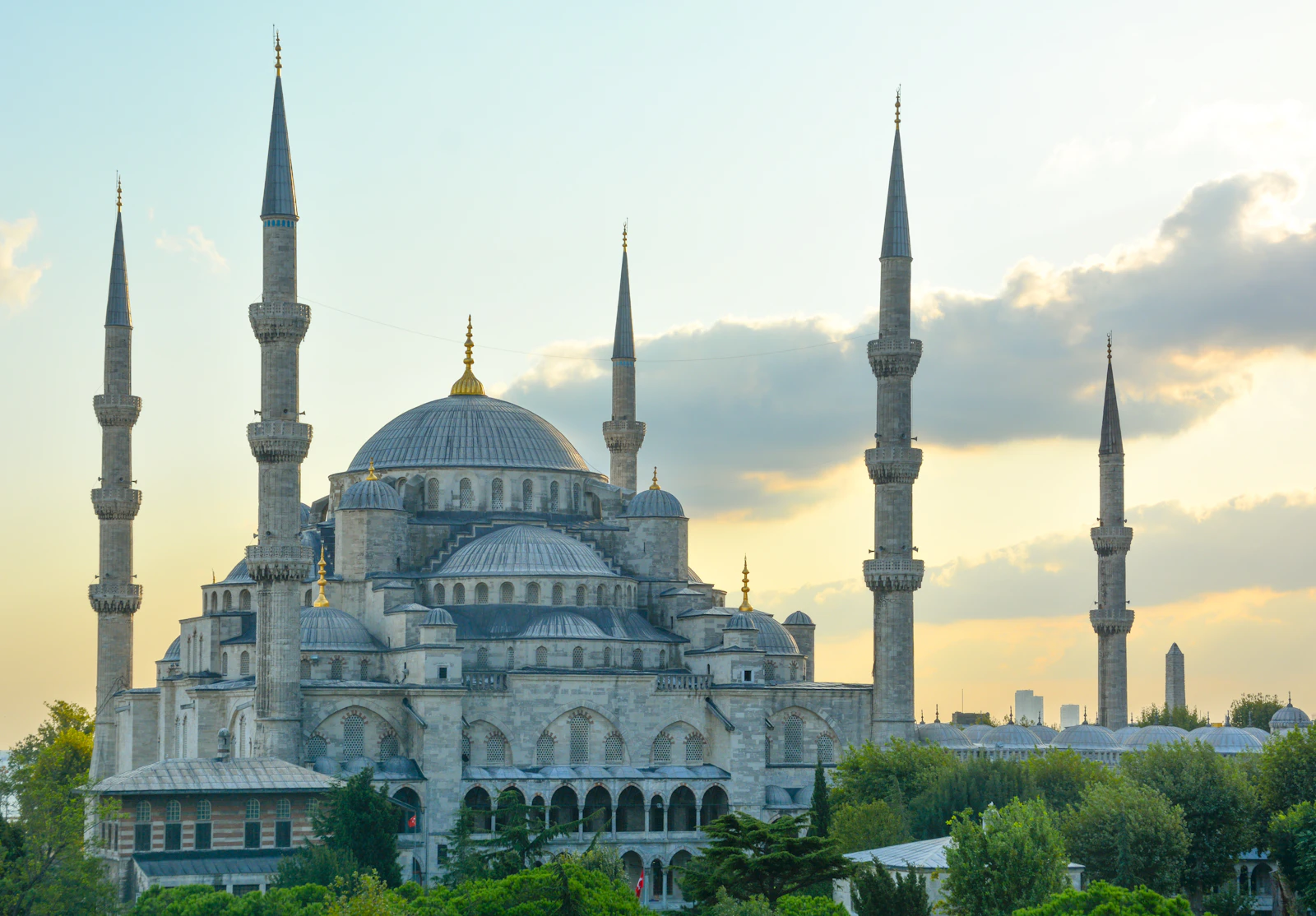
Turkey is relatively safe and has advanced medicine. That eliminates some risks. But it creates different ones:
-
Steep tourist pricing: a consultation at an international private hospital in Istanbul costs USD 150-250, versus TRY 100-200 (USD 3-6) at a public one. The gap is brutal.
-
An inaccessible public system: Turkish public hospitals are free for residents, but foreigners must show proof of prepayment. You get steered to private clinics.
-
Transport accidents: Istanbul traffic is chaotic. Car, bus and metro accidents happen. The roads to Cappadocia are mountainous and winding.
-
Adventure activities: hot-air balloons, trails, rafting in remote regions — all carry risk.
What the Insurance Must Cover
Para Turkey, we recommend medical and hospital assistance (AMH) of at least USD 100,000.
Real medical costs in Turkey (international private hospitals in Istanbul):
| Procedure / Service | Estimated Cost (USD) |
|---|---|
| General medical consultation | 150 - 250 |
| X-ray or ultrasound | 120 - 300 |
| MRI | 500 - 1,200 |
| Daily hospitalization (private, premium) | 700 - 1,500 |
| Daily hospitalization (private, standard) | 400 - 800 |
| Appendectomy | 7,000 - 15,000 |
| Orthopedic surgery (meniscus, shoulder) | 8,000 - 18,000 |
| Fracture with surgery | 6,000 - 14,000 |
| Emergency room visit (ER) | 250 - 500 |
| ICU per day | 1,200 - 3,000 |
| Repatriation (Turkey → home) | 30,000 - 80,000 |
A real example: a traveler in Istanbul has a car accident in Sultanahmet. He is taken to the American Hospital (a premium private hospital in Istanbul). X-rays, tests, wound sutures. Cost: USD 1,800. Were the injury worse — a fracture needing surgery — costs would leap past USD 12,000.
Main Risks and Precautions
Traffic Accidents in Istanbul
Istanbul traffic is chaos. Drivers are aggressive, taxis cut across without warning, air pollution is heavy. Pedestrians get hit frequently. Bus, metro, tram — all carry risk at rush hour.
Recommendation: use Uber instead of unregulated taxis. Cross at crosswalks. Do not drive a rental in Istanbul — take public transport. Always wear a seatbelt.
Estradas Montanhosas para Cappadocia, Ponto Negro
The roads from Istanbul to Cappadocia are mountainous, with sharp curves and aggressive drivers. Tourist-bus accidents are rare but happen. Rent a car and the risk rises.
Recommendation: book regulated bus tours instead of renting a car. If you drive: slowly, belted, never at night.
Food Poisoning e Hepatitis A
Turkish food is delicious, but street-restaurant hygiene can be questionable — especially in less touristy areas. Hepatitis A is a real risk.
Recommendation: hepatitis A vaccination before the trip. Eat at restaurants with an established tourist clientele. Skip the ice in drinks from questionable sources.
Hot-Air Balloons in Cappadocia
The hot-air balloons are iconic — and remarkably safe. Accidents are rare. But falls during boarding and landing happen, causing fractures or head injuries.
Recommendation: fly with an established operator (Turkish Balloon, Butterfly Balloons). Follow the boarding/landing safety instructions. Wear sunscreen.
Seasonal Flu and Air Pollution
Istanbul winters are cold and damp. Flu circulates. Air pollution is moderate (worse in winter). Anyone with respiratory problems should take care.
Recommendation: flu vaccination. Limit outdoor time on high-pollution days if you have asthma or COPD.
General Safety
Petty tourist crime (bags, phones) occurs in Istanbul and Antalya. Muggings are rare, but inattentive travelers are targets. Eastern regions of Turkey near Syria carry security advisories — avoid them.
Is Insurance Mandatory?
Not legally required for entry into Turkey. Highly recommended, though, for cost reasons — not epidemic risk. Turkey is developed and safe. But uninsured access to private medicine is financially dangerous.
How Much Travel Insurance Costs for a Turkey
For a 10-day trip with USD 100,000 in medical assistance, repatriation, baggage and cancellation coverage:
- Basic plans: US$14 - US$34 (10 days)
- Robust plans (Asteroid recommended): US$28 - US$56 (10 days)
Turkey is economical to insure because it is an affordable destination. Still cheap — under US$55 for protection against USD 20,000+ emergencies.
Protect your next adventure
Travel insurance covering 162 countries. Automatic payout for flight delays. MDabroad TPA 24/7. Get your coverage — 60 seconds
Frequently Asked Questions
Is insurance mandatory in Turkey?
Not legally. But it is highly recommended — especially for city time (Istanbul) or remote regions. Turkey has quality private medicine, but it is expensive. The public system is limited for foreigners. Insurance protects you from steep tourist pricing.
What coverage is recommended?
USD 100,000 in medical coverage minimum. Turkey is modern, so endemic risks are minimal. Accident risks are real, though (traffic, activities). Emergency surgery in Istanbul costs USD 12,000 to USD 20,000. Repatriation runs USD 30,000 to USD 80,000. USD 100,000 gives comfortable margin.
What is the healthcare system like in Turkey?
The public system is free for Turkish residents — an excellent universal system. Foreigners must show prepayment or claim reimbursement later at public hospitals, and are usually steered to private clinics. International private hospitals in Istanbul (American Hospital, Acibadem, Memorial) offer first-rate standards and bill entirely in USD at high rates.
How real is the accident risk in Istanbul?
Istanbul has chaotic traffic and aggressive drivers. Pedestrians get hit frequently. Buses and taxis have accidents. Petty crime (bags, phones) is common in tourist areas. Overall safety is good compared with less developed destinations, but accident risks are real.
Are the Cappadocia hot-air balloons safe?
Extraordinarily safe. Balloon accidents are rare worldwide. The risk sits in boarding and landing — falls can mean fractures or head injuries. Fly with an established operator (Turkish Balloon, Butterfly), follow the safety instructions, and wear sunscreen against the altitude UV.
What about hepatitis A coverage?
Turkey is a medium-risk destination for hepatitis A — street food and questionable hygiene at less touristy restaurants. Hepatitis A vaccination before the trip is essential. Your insurance covers treatment once diagnosed, but prevention always beats cure.
O seguro cobre atividades de aventura in Turkey?
Standard tourist activities (balloons, trails, bus tours) are covered. Risk sports (rock climbing, BASE jumping) may require additional coverage. If you plan anything beyond the standard tourist menu, check your policy.
What are the visa requirements?
Many nationalities get a 90-day e-visa for Turkey — no insurance required by law. It is highly recommended for cost reasons, not regulatory ones. Buy insurance even without the legal requirement.
Updated: April 2026