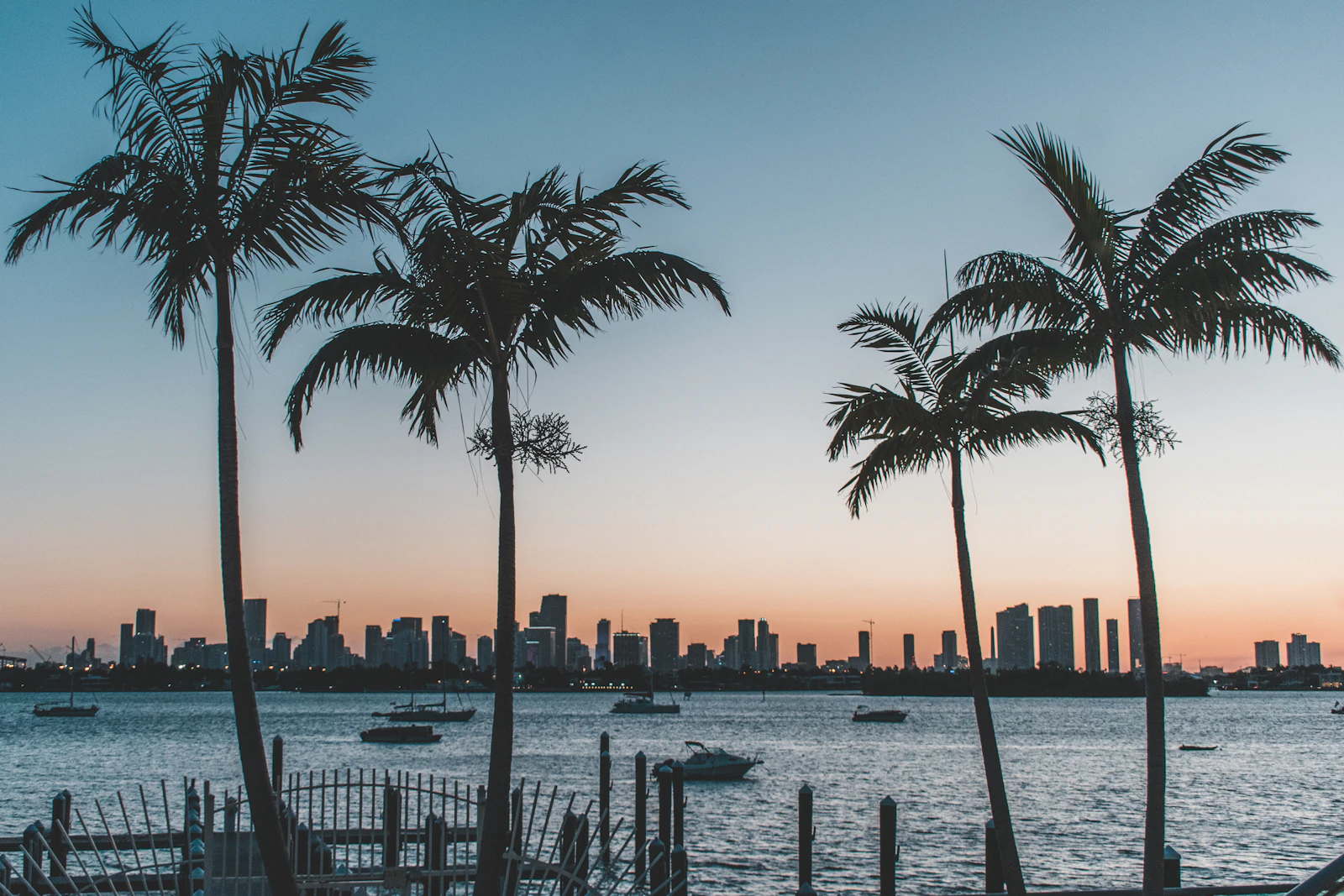
Uruguay is extraordinarily safe compared with developing destinations. No dengue, no malaria, no tropical diseases. None of the violent crime of other Latin American cities. Overall security is excellent.
But "safe" does not mean "no risk of a medical emergency". Accidents still happen: car crashes, falls, beach drownings. Health problems arise: infections, surgical complications.
When they do, you want the private system (not the public one), especially if you fall ill far from Montevideo. And the private system is expensive, in USD.
What the Insurance Must Cover
Para Uruguay, we recommend medical and hospital assistance (AMH) of at least USD 100,000 — the standard for developed destinations.
Real medical costs in Uruguay (private hospitals in Montevideo):
| Procedure / Service | Estimated Cost (USD) |
|---|---|
| General medical consultation | 100 - 150 |
| X-ray or ultrasound | 150 - 300 |
| MRI | 600 - 1,500 |
| Daily hospitalization (private) | 700 - 1,500 |
| Daily hospitalization (public, tourist rate) | 200 - 500 |
| Appendectomy | 7,000 - 15,000 |
| Trauma surgery | 10,000 - 20,000 |
| Fracture with surgery | 6,000 - 14,000 |
| Emergency room visit (ER) | 300 - 600 |
| ICU per day | 1,500 - 3,000 |
| Repatriation (Uruguay → home) | 20,000 - 60,000 |
A real example: a traveler in Punta del Este has a car accident. He is taken to a private hospital in Punta del Este or transferred to Montevideo. X-rays, sutures, possible surgery. Cost: USD 8,000 to USD 15,000 depending on severity. Without insurance, he finances it on a credit card.
Main Risks and Precautions
Car Accidents
Uruguay has developed, relatively safe traffic, but accidents still happen. Roads are good and drivers respect the rules more than elsewhere in Latin America. Speeding and distraction still cause crashes, though.
Recommendation: wear a seatbelt. Drive cautiously, especially at night. In a rental, go slowly in unfamiliar areas.
Beach Drownings
Beaches at Punta del Este and elsewhere can have strong surf, currents and cold water (especially winter/spring). Drowning is a real possibility, especially for weak swimmers.
Recommendation: swim only at lifeguarded beaches. Respect the safety flags. Never swim alone.
Food Poisoning
Food in Uruguay is generally safe — European hygiene standards. But street or less established restaurants can occasionally cause food poisoning.
Recommendation: eat at restaurants with an established reputation. Hepatitis A is rare in Uruguay, but vaccination is the South American standard.
Falls and Trauma
Falls hit older travelers especially — Montevideo has uneven streets in its older quarters, irregular pavement. Falls can mean hip fractures or head injuries.
Recommendation: wear proper footwear and walk carefully where pavement is uneven, especially if you are older.
Minimal Tourist Crime
Uruguay has very low crime compared with its neighbors. Bag and phone theft is rare. Muggings are extraordinarily rare. Women can walk alone at night in safe areas of Montevideo without worry — remarkable in South America.
Recommendation: Uruguay is genuinely safe. Still use common sense: carry no more cash than you need, avoid areas known for crime (poor districts of Montevideo).
Minimal Pollution and Seasonal Allergies
Uruguay has excellent air quality. Seasonal allergies strike in spring (especially September-October) when plants release pollen. People with allergies or asthma may struggle.
Recommendation: if you have allergies or asthma, bring appropriate medication.
Is Insurance Mandatory?
Not legally. Uruguay does not require travel insurance for entry. It is recommended for financial protection — not epidemic risk.
How Much Travel Insurance Costs for Uruguay
For a 7-day trip with USD 100,000 in medical assistance, repatriation, baggage and cancellation coverage:
- Basic plans: US$12 - US$28 (7 days)
- Robust plans (Asteroid recommended): US$24 - US$48 (7 days)
Uruguay is a safe, developed destination, and insurance prices reflect the low risk. Under US$45 for protection against a USD 15,000+ emergency is a sensible investment.
Protect your next adventure
Travel insurance covering 162 countries. Automatic payout for flight delays. MDabroad TPA 24/7. Get your coverage — 60 seconds
Frequently Asked Questions
Uruguay exige seguro?
Not legally. Many nationalities enter with just a passport — no visa, no insurance mandate. It is recommended, though — not for epidemic risk but for financial protection. Private medical costs for foreigners run high, in USD.
What coverage is recommended?
USD 100,000 in medical coverage. Uruguay is safe and developed; risks are low next to developing destinations. But emergency surgery in Montevideo can cost USD 12,000 to USD 20,000. Repatriation runs USD 20,000 to USD 60,000. USD 100,000 gives comfortable emergency margin.
What is the Uruguayan healthcare system like?
Uruguay has an excellent universal public system (FONASA) — for residents only. Foreigners get limited access and are often steered to private clinics. The private system in Montevideo (Hospital Británico, CASMU) is of international quality and billed entirely in USD. Hospitals in Punta del Este and smaller cities are of reasonable quality.
What are the main risks in Uruguay?
Uruguay is extraordinarily safe. No significant endemic disease — no dengue, no malaria, no yellow fever. Crime is very low. The real risks: car accidents (traffic is good, crashes still happen), beach drownings (cold water, strong surf), falls (uneven pavement in old quarters), rare food poisoning.
Do I need any vaccines for Uruguay?
No mandatory vaccinations for Uruguay. Yellow fever is no risk — Uruguay sits outside the transmission zone. Recommended: hepatitis A (the South American standard), up-to-date tetanus/DTaP, seasonal flu. See your doctor before the trip.
Is Uruguay safe for women traveling alone?
Extraordinarily so. Uruguay is South America's safest country for women traveling alone. Sexual crime against tourists is vanishingly rare. Women can walk Montevideo at night without worry — remarkable for the region. Common sense still applies (skip the poor districts alone at dawn), but Uruguay is genuinely safe.
O seguro cobre atividades de aventura?
Standard tourist activities (beaches, trails, tours) are covered. Extreme sports may require additional coverage. Uruguay is not known for extreme adventure, so standard coverage should suffice.
What are the visa requirements?
Many nationalities enter with just a passport — no visa required — and can stay up to 90 days as tourists, with extensions possible. No insurance requirement by law, but recommended for financial reasons.
Updated: April 2026