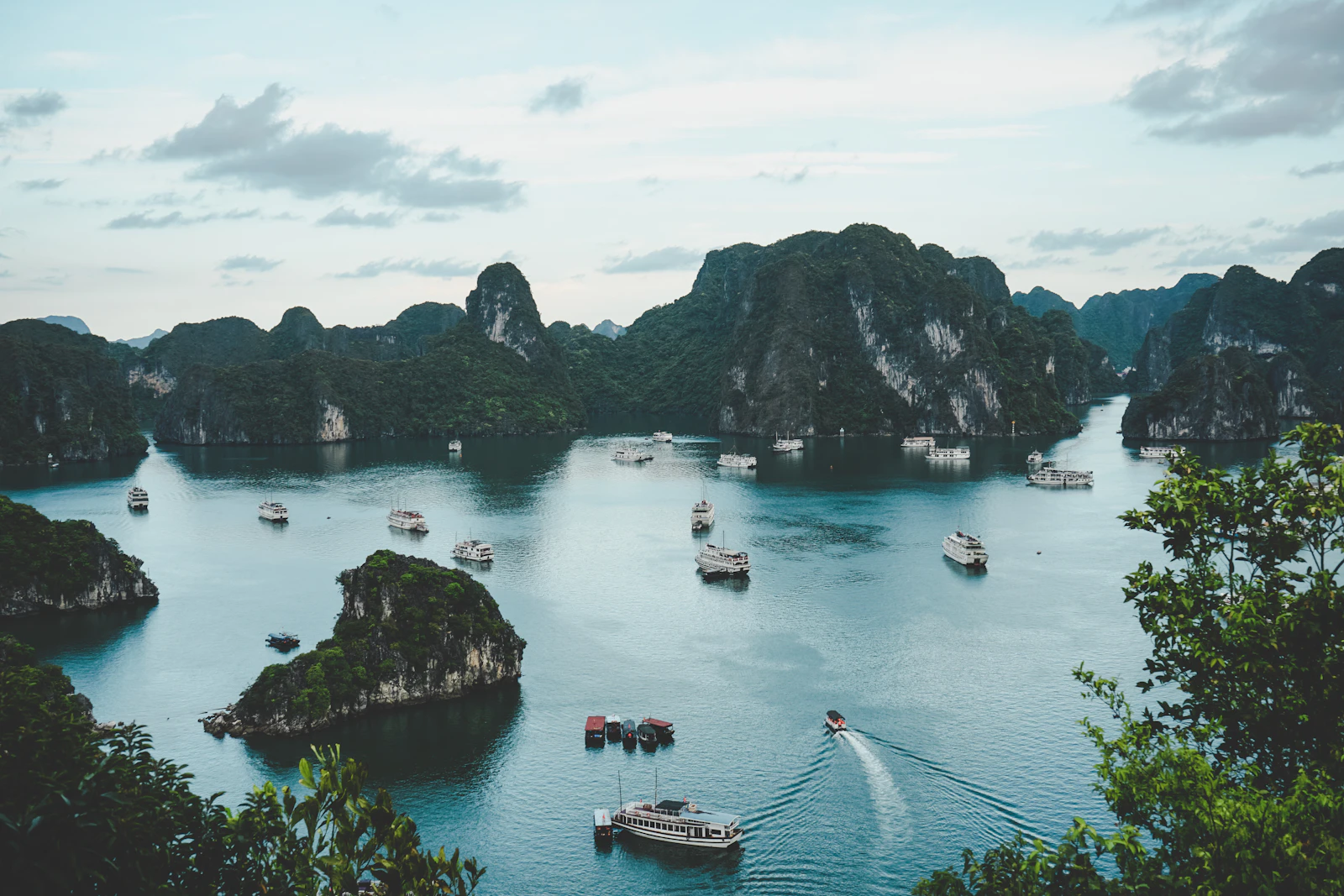
Vietnam is a budget destination — meals cost pennies, lodging is cheap. Medicine does not follow the same logic. Uninsured foreigners are responsible for 100% of the costs at international private hospitals, where bills can quickly pass tens of thousands of dollars.
The Vietnamese public system is also a maze of bureaucracy, language barriers and questionable hygiene at many clinics outside the big centers. If you fall ill or get hurt, you want an international private hospital — and that has a price.
What the Insurance Must Cover
When choosing coverage for Vietnam, start with the foundation: medical and hospital assistance (AMH) of at least USD 100,000.
Real medical costs in Vietnam (international private hospitals):
| Procedure / Service | Estimated Cost (USD) |
|---|---|
| General medical consultation | 60 - 120 |
| Daily private hospitalization | 400 - 800 |
| Appendectomy (simple surgery) | 4,000 - 10,000 |
| Simple fracture (X-ray, cast, follow-up) | 1,500 - 5,000 |
| Respiratory infection / pneumonia (3-day hospitalization) | 2,000 - 5,000 |
| Hemorrhagic dengue (5-7 day hospitalization) | 5,000 - 12,000 |
| Appendicitis surgery with complications | 8,000 - 18,000 |
| ICU per day | 800 - 2,500 |
| Medical repatriation | 25,000 - 80,000 |
A real example: a traveler in Ha Long develops hemorrhagic dengue. He is taken by boat to Hanoi, admitted to a private hospital for 6 days with IV medication, daily blood work and monitoring. Total: USD 8,500. Uninsured, that comes straight out of pocket, converted at a lousy exchange rate.
Now imagine a complication: emergency repatriation home. A medical evacuation from Hanoi costs between USD 35,000 and USD 75,000 — a cost that can financially destroy a family.
Main Risks and Precautions
Tropical and Mosquito-Borne Diseases
Dengue is highly prevalent in Vietnam, especially June through October. Chikungunya circulates too. Zika is less common but present. Malaria is rare in tourist areas but persists in the remote mountains of Kon Tum and Ha Giang.
Recommendation: mosquito protection (repellent, covering clothes, nets), especially at dusk and dawn.
Problemas Gastrointestinais
Untreated water, questionable hygiene at some establishments, and a digestive system unused to local bacteria are a common mix. Many travelers develop diarrhea or hepatitis A traveling through Vietnam.
Recommendation: drink only bottled or filtered water. Skip the ice. Consider hepatitis A vaccination before traveling.
Street Safety and Accidents
Hanoi and Ho Chi Minh City are traffic chaos. Moto-taxis (Grab, Be) are popular with backpackers, but accidents happen. Fractures and head trauma can require urgent surgery.
Recommendation: wear a helmet, avoid riding motorbikes if you are not used to them, and consider taxis or regulated transport services.
Air Pollution
Hanoi and Ho Chi Minh City have poor winter air quality (December to February). Anyone with respiratory problems should take care.
Is Insurance Mandatory?
No. Vietnam does not require travel insurance for entry. But — and it is a big "but" — going without is a dangerous bet. The decision not to carry insurance is essentially: "I will pay out of pocket if something goes wrong, and I hope nothing does."
In a country where emergency surgery easily costs USD 10,000+ and medical repatriation USD 50,000+, that is too expensive a bet to make.
How Much Travel Insurance Costs for o Vietnam
For a 14-day trip with USD 100,000 in medical assistance, repatriation, baggage and cancellation coverage, expect to pay:
- Basic plans: US$15 - US$30 (per week)
- Robust plans (Asteroid recommended): US$25 - US$50 (per week)
The difference is minimal — maybe US$20 for a week of travel. But that difference is critical if you ever use the insurance. A robust plan covers USD 100,000+, carries reasonable sub-limits, pays hospitals directly, and includes 24/7 multilingual assistance.
Protect your next adventure
Travel insurance covering 162 countries. Automatic payout for flight delays. MDabroad TPA 24/7. Get your coverage — 60 seconds
Frequently Asked Questions
Is travel insurance mandatory for Vietnam?
Not a legal entry requirement. Highly recommended, though. Vietnam has a limited public health system that foreigners cannot access. For quality medical care you will use international private hospitals — and they bill in USD, at high rates. Insurance is your safety net.
What is the minimum coverage for Vietnam?
At least USD 100,000 in medical coverage is recommended. Vietnam may undercut Thailand on some basic procedures, but emergency surgery or a complication at an international private hospital in Hanoi or Ho Chi Minh City easily passes USD 15,000. Medical repatriation runs USD 30,000 to USD 80,000 — an expense a weak plan does not adequately cover.
What is the healthcare system like in Vietnam?
The public system is free for Vietnamese citizens but inaccessible to foreigners — many clinics lack modern facilities, staff do not speak English, and hygiene is questionable at remote establishments. International private hospitals (Hanoi French Hospital, FV Hospital in Ho Chi Minh City) offer international standards but charge international USD rates. These hospitals serve expatriates, diplomats and tourists — and they know they can charge for it.
How real is the dengue risk in Vietnam?
Dengue is highly prevalent, especially June to October (the hot, wet season). Chikungunya circulates too. A single infected Aedes aegypti is all it takes. Hemorrhagic dengue is rare but possible — and demands immediate hospitalization. Protect yourself: DEET repellent, covering clothes at dusk, mosquito nets where you sleep.
Does Vietnam require vaccinations?
No vaccinations are mandatory to enter Vietnam, but the recommendations are: hepatitis A, tetanus, typhoid, and consider Japanese encephalitis if you will spend time in rural areas. Talk to your doctor before the trip.
Does insurance cover repatriation from Vietnam?
Yes — USD 100,000+ plans include medical and funeral repatriation as additional coverage (typically USD 50,000 medical, USD 10,000 funeral). An emergency evacuation home from Vietnam is expensive — USD 30,000 to USD 80,000. This coverage is absolute and essential.
Updated: April 2026