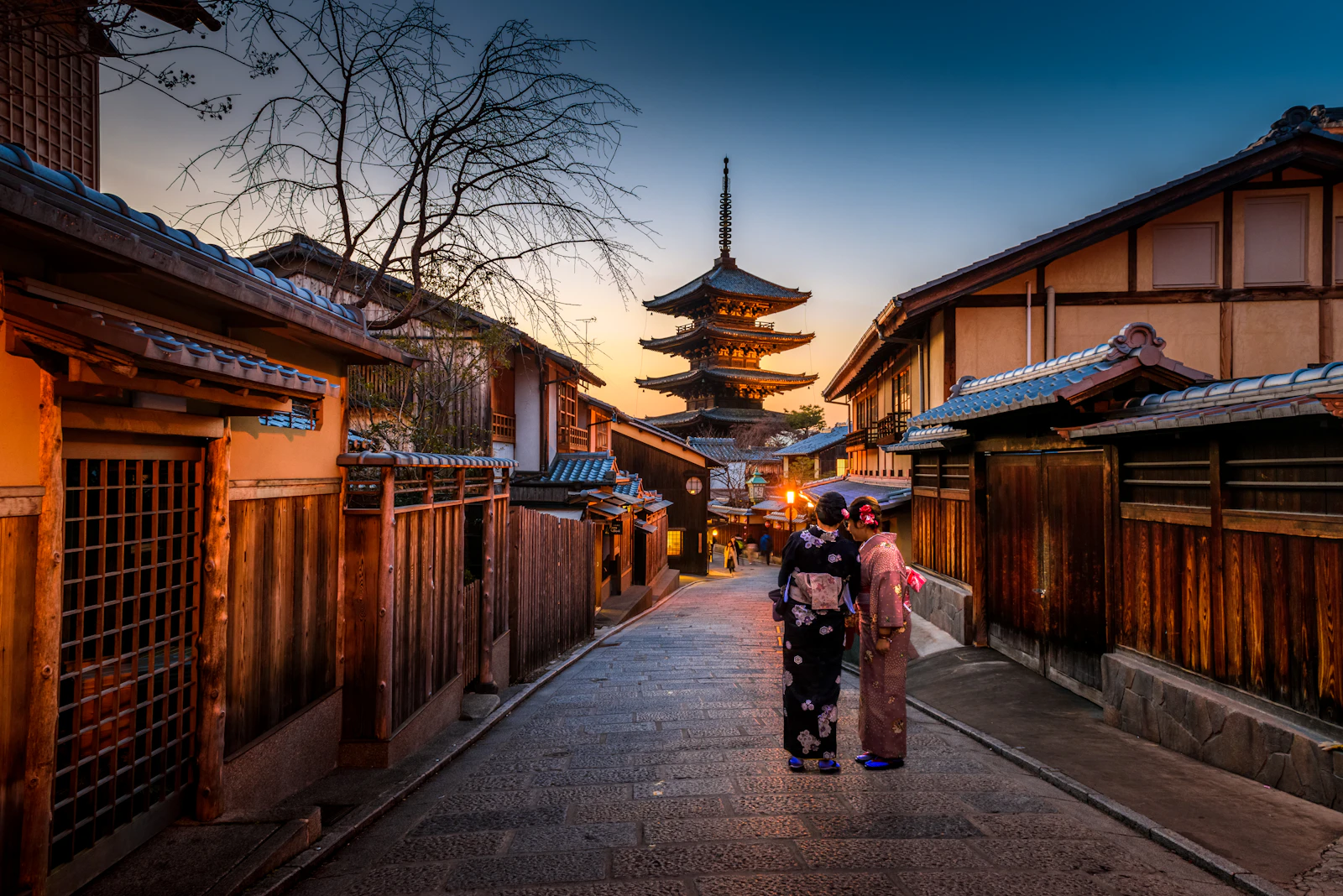
Japan is beautiful. It's safe. The food is incredible. The healthcare system is world-renowned.
It's also one of the most expensive places on Earth to get sick if you don't have insurance.
And here's the trap: Japan has zero reciprocal healthcare agreements with Latin American countries. There's no "emergency coverage" for tourists. There's no negotiated rate. When you get sick or injured in Japan without insurance, you pay full price in Japanese yen—which is astronomical.
Why Japan is So Expensive for Uninsured Patients
Japan's healthcare system is excellent. It's also:
- Expensive to operate - Japanese doctors earn $150,000–$300,000 per year. Nurses earn $70,000–$120,000. Hospital infrastructure costs are extremely high.
- No international agreements - Unlike European hospitals (which often have agreements with other countries), Japanese hospitals have zero reciprocal arrangements with Latin America.
- Cash-only requirement - Many Japanese hospitals require payment upfront or a credit card authorization before treatment. If you can't pay immediately, they may refuse to treat you.
- Weak enforcement of international debt - While hospitals pursue debt, it's harder for them to collect from international patients. So they charge higher rates upfront to offset potential losses.
- Growing medical tourism - Japan increasingly relies on uninsured medical tourists to subsidize the system. They charge premium rates accordingly.
Real Cost Examples: What Travelers Actually Pay
Appendicitis: The 48-Hour Hospital Stay That Cost ¥4.8 Million
Yamato, 31, from Mexico City, was traveling through Tokyo when he woke up with severe abdominal pain. By that evening, he couldn't stand up. A hotel concierge called an ambulance.
Ambulance transport (3 km): ¥3,000 (USD $22) Emergency room evaluation: ¥15,000 (USD $110) CT scan of abdomen: ¥45,000 (USD $330) Lab work (blood, urine): ¥8,000 (USD $60) Pre-operative evaluation: ¥12,000 (USD $88) Emergency appendectomy (surgery): ¥580,000 (USD $4,200) Hospital stay (2 nights, standard room): ¥240,000 (USD $1,750) Post-operative medications: ¥28,000 (USD $205) Follow-up ultrasound: ¥12,000 (USD $88)
Total: ¥943,000 (approximately USD $6,900)
This is for a routine appendectomy in Japan. In the United States, the same surgery would cost $30,000–$50,000. In Brazil, it might cost $8,000–$12,000. In Japan, it's $6,900—which sounds reasonable until you realize that's the bill before any complications.
Pneumonia: Five Days of Hospitalization
Carolina, 42, from Bogotá, developed a severe cough during her trip to Kyoto. By day three, she had difficulty breathing. She went to a hospital.
Chest X-ray: ¥8,000 (USD $58) High-resolution CT scan: ¥80,000 (USD $580) Emergency room visit: ¥18,000 (USD $130) Bronchoscopy (diagnostic procedure): ¥120,000 (USD $870) Hospital admission: ¥200 per night (USD $1.50 base fee) Hospital stay (5 nights, private room): ¥450,000 (USD $3,270) IV antibiotics and medications: ¥180,000 (USD $1,305) Oxygen therapy: ¥50,000 (USD $364) Daily physician consultation (5 days): ¥150,000 (USD $1,090)
Total: ¥1,056,000 (approximately USD $7,680)
She spent a week recovering at home in Colombia and was fine. The hospital stay in Japan cost her $7,680 for treating what was, in the end, a bacterial pneumonia that oral antibiotics could have managed.
Heart Attack: The Real Catastrophe
This is where Japan becomes genuinely terrifying for the uninsured.
Hugo, 56, from São Paulo, was visiting Tokyo with his wife. He collapsed in their hotel room. His wife called 911. Within 20 minutes, he was at a hospital with a full cardiac team.
Ambulance transport: ¥5,000 (USD $36) Emergency room (full cardiac workup): ¥200,000 (USD $1,450) EKG: ¥5,000 (USD $36) Troponin blood test (repeated 3 times): ¥18,000 (USD $130) Echocardiogram: ¥45,000 (USD $327) Coronary angiography (diagnostic catheterization): ¥380,000 (USD $2,760) Stent placement (2 stents): ¥1,200,000 (USD $8,700) Hospital stay, ICU (1 night): ¥200,000 (USD $1,450) Hospital stay, cardiac care unit (4 nights): ¥500,000 (USD $3,630) Medications (antiplatelet, beta-blockers, statins): ¥150,000 (USD $1,090) Follow-up stress test: ¥80,000 (USD $580)
Total: ¥2,783,000 (approximately USD $20,200)
This is the bill. Hugo didn't have travel insurance. He had a credit card with a $15,000 limit and a $5,000 limit on international transactions. He spent three months in Japan while he arranged payment. His family in Brazil wired money. He borrowed from friends.
When he finally returned to Brazil, he was still paying medical debt four years later.
What Makes Japan Different (and More Expensive)
1. Upfront Payment Requirement Japanese hospitals often require immediate payment before discharge. If you can't pay, they may refuse to discharge you or charge you for "extended stays" until payment is made.
One traveler from Peru reported being charged ¥200,000 in "holding fees" for the 10 days between his treatment and when his family could wire payment.
2. Ambulance Costs That Add Up Fast Unlike many countries, Japan charges for ambulance service. A call to an ambulance in a rural area might cost ¥15,000–¥25,000 just for transport. This gets added to your hospital bill.
3. Private Room Requirements Many Japanese hospitals automatically assign private rooms to foreign tourists. While this seems like a luxury, it significantly increases costs. A private room might cost ¥200,000–¥300,000 per night, vs. ¥80,000–¥120,000 for a shared room.
4. English-Speaking Doctor Premium If you need English-speaking medical staff (and you will), many hospitals add a surcharge of 20–30% to your bill for translation services.
5. Medical Tourism Pricing As Japan has become more popular as a medical tourism destination, hospitals have increased prices for non-Japanese patients. They view foreign tourists as a revenue source rather than a healthcare responsibility.
Emergency Medical Evacuation: The $80,000+ Nightmare
The biggest risk in Japan isn't routine treatment. It's needing to be transported home.
If you have a serious condition that requires specialized care not available in Japan, or if you need to return to Latin America for treatment with your own doctors, medical evacuation is necessary.
A single medical evacuation flight from Tokyo back to São Paulo costs $80,000–$120,000 USD. From Tokyo to Mexico City, it's $60,000–$100,000. From Tokyo to Buenos Aires, it's $120,000–$180,000.
Without insurance, you're completely responsible for this cost.
One traveler from Chile suffered a stroke in Osaka. Japanese doctors wanted to treat him in Japan, but his family wanted him home. A medical evacuation flight cost $110,000. His family had to sell family property to pay for it.
The Debt Collection Problem
Japanese hospitals are persistent in debt collection:
- They contact you internationally
- They pursue legal action (though this is rare for small debts)
- They hire collection agencies that operate in your home country
- They can damage your international credit rating
- They may refuse to issue medical records you need for your home country doctors
Unpaid Japanese medical debt follows you. It's not written off.
Flight Cancellation: Another Hidden Cost
If you get sick during your trip and need to cancel your return flight, airlines will refund you—but only if you have medical documentation proving the cancellation was medically necessary.
Without travel insurance, even with medical documentation, many airlines deny refunds. A roundtrip to Japan from Latin America costs $1,000–$2,500. You could lose all of it.
The Math: Insurance vs. Risk
Without Asteroid Insurance: - Trip to Japan without incident: Free (seems great) - One medical emergency: ¥500,000–¥3,000,000 (USD $3,600–$21,700+) - Medical evacuation if needed: $80,000–$180,000 - Months or years of debt collection: Continuous stress
With Asteroid Insurance: - Premium for 2 weeks in Japan: $15–$25 USD - Coverage limit: $250,000+ - Medical evacuation covered: Yes - Flight cancellation covered: Yes - Peace of mind: Priceless
Frequently Asked Questions
Q: Is travel insurance required for Japan?
A: No, it's not legally required. But it's absolutely essential. Japan has no healthcare reciprocity agreements with Latin American countries. A single medical event costs $3,000–$20,000+. One ambulance ride costs $200–$500. Insurance is non-negotiable.
Q: Will my home country health insurance work in Japan?
A: Almost certainly not. Most Latin American health insurance plans specifically exclude international travel, or provide minimal coverage (under $2,000). Japanese medical costs are 10–15 times higher than coverage limits. You need dedicated travel insurance.
Q: What if I need to go to a hospital in Japan—do I need to pay immediately?
A: Yes, often. Many Japanese hospitals require payment before discharge. You need a credit card with sufficient credit limit, or you need to arrange payment through your insurance provider immediately. Asteroid provides automated claims processing to handle this.
Q: Is medical evacuation from Japan really that expensive?
A: Yes. A medical evacuation flight from Japan to South America costs $80,000–$180,000. This is one of the most expensive medical emergencies you can face. Insurance is absolutely essential if you're traveling to remote areas or have any pre-existing medical conditions.
Japan is one of the world's safest, most beautiful destinations. Don't let a medical emergency turn it into your most expensive mistake. Get covered before you travel.
[Get Instant Quote from Asteroid - Travel Insurance for Latin American Travelers to Japan]