Behind most major travel insurance brands — household names, airline add-ons, bank policies, broker products — there's a separate company doing the actual work. The TPA manages hospital networks, coordinates care, approves payments, and staffs the 24/7 emergency lines. The brand on your card is the seller. The TPA is the operator.
This structure became the industry standard over the past 30 years as travel insurance scaled globally. Most insurers concluded it was more efficient to outsource claims infrastructure than build it themselves. The result: the world's largest insurance brands effectively operate as label overlays on top of TPA networks they don't own.
When you need help, you're not reaching the company that sold you the policy. You're reaching a contractor managing claims for dozens of insurers simultaneously.
Why the Gap Creates Friction
The insurer-TPA separation creates a predictable set of failure points:
Approval chains. Every significant claim decision requires sign-off from the insurer before the TPA can act. You're waiting for two separate companies to agree, not one company to decide.
Document loops. The TPA didn't quote your policy — they're just administering it. They often request documentation the insurer already reviewed. You submit the same receipts twice.
Fragmented support. Claims, medical coordination, billing — each function may run through a different team or system. No one has full context. You repeat your story every time.
Accountability gaps. When something goes wrong, neither party fully owns the outcome. The insurer points to the TPA. The TPA cites insurer policy. You're caught in between.
The Company Behind the Curtain
MDabroad has been operating at the center of the global travel and expat insurance industry for 26 years. Over that time, it has managed more than $1 billion in claims — not just in Latin America, but globally. It has built hospital and provider networks across more than 162 countries, developed the technology infrastructure for real-time medical coordination, and assembled the multilingual support teams that operate around the clock.
Some of the world's most recognized insurance companies — names you would immediately recognize across the health, travel, and expat insurance space — trust MDabroad to handle their most complex cases. MDabroad is not a startup or a regional niche player. It is a global infrastructure company that happens to be largely invisible to consumers.
That changes today.
What Asteroid Actually Is
Asteroid is what happens when MDabroad sells travel insurance directly to you.
MDabroad is the insurer. MDabroad is the TPA. There is no outsourcing, no separate company to coordinate with, no approval chain between two organizations. When you buy from Asteroid, the team that answers your emergency call, the team that authorizes your hospital admission, the team that processes your claim — they all work for the same organization.
The practical difference:
- No inter-company delays. Claims approved internally, in one system.
- One support team with full context. The person who picks up knows your policy, your network, and your case.
- Direct hospital relationships. MDabroad is in hospital systems as a direct payer — not a broker. Authorization happens in minutes, not days.
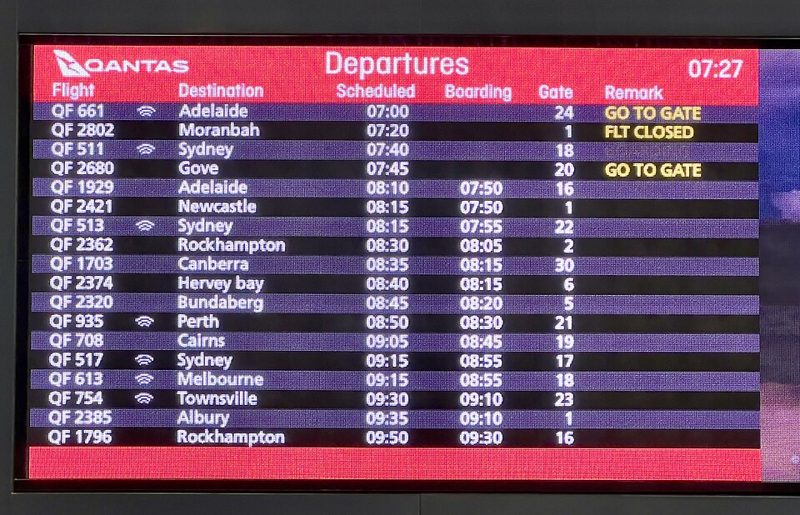
- Parametric payouts. Flight delayed by 12+ hours? Funds arrive automatically. No claim form. No waiting. The system acts before you do.
MDabroad doesn't just participate in the travel insurance industry — it helps define it. MDabroad's leadership presents at the industry's major international conferences and contributes to the standards that govern how global travel insurance operates. When insurers need to understand where the industry is heading, they talk to the people who built its infrastructure.
For 26 years, that infrastructure served the industry's biggest names. Now it serves travelers directly.
Frequently Asked Questions
Q: Why don't I see MDabroad's name when I buy travel insurance from a major brand? A: The TPA model is intentionally invisible to consumers. Insurers want you to associate the experience with their brand, not their contractor. The TPA handles operations, but customer-facing communication is filtered through the insurer. Most travelers never know a TPA exists until they file a claim and encounter the gap.
Q: Are all major travel insurers using TPAs? A: The majority of international travel insurers operating across Latin America and other complex regions rely on TPAs for claims management, medical coordination, or both. Building and maintaining a direct hospital network, 24/7 multilingual support, and claims processing infrastructure in 162+ countries is an enormous investment. Outsourcing to a specialist is the standard approach.
Q: Why does the TPA structure cause delays specifically? A: Because authorization requires two organizations to agree. The TPA cannot approve a major claim without insurer sign-off. The insurer cannot move faster than their internal review process allows. Meanwhile, you're in a hospital that needs a payment decision. The structural gap is the delay.
Q: What makes Asteroid different from just "another travel insurance company"? A: Asteroid is not a brand sitting on top of someone else's infrastructure. It is the infrastructure. MDabroad — the company behind Asteroid — has 26 years of operational history, $1B+ in claims experience, and direct relationships with providers across 162+ countries. The difference between Asteroid and a typical travel insurance brand is the difference between ordering from the kitchen that made your food and ordering from a delivery app that doesn't own a stove.
Protect your next adventure
Travel insurance covering 162 countries. Automatic flight delay payouts. MDabroad TPA 24/7.
Get your coverage — 60 seconds