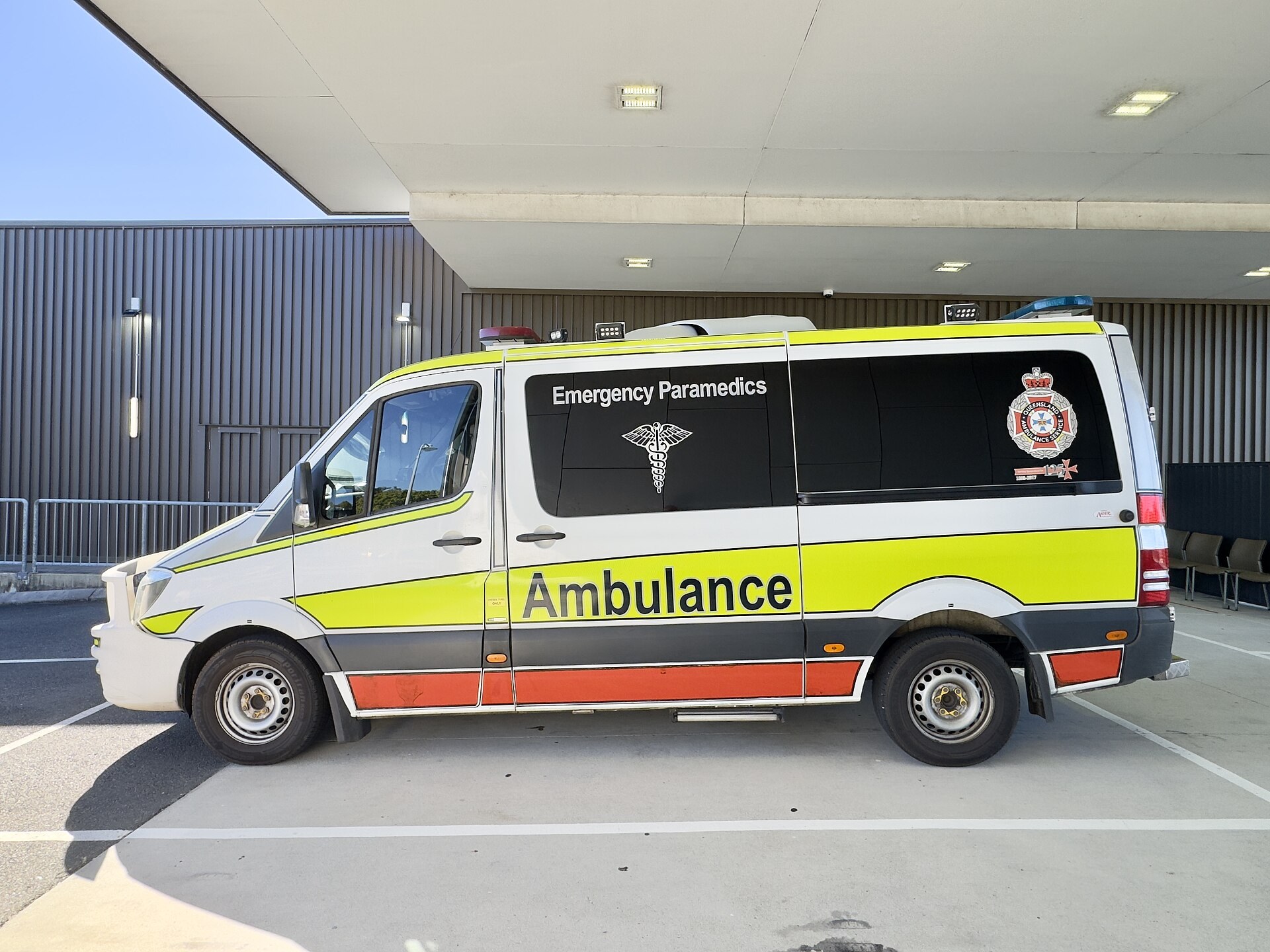
Knowing you have insurance is not the same as knowing how to use it. These answers were written for the moment before the emergency happens—because when the emergency happens, you won't want to be reading FAQs.
What should I do in a medical emergency abroad?
- Call 911 (USA), 112 (Europe), or the local emergency number if there's immediate risk of death
- Call your travel insurance 24/7 number as soon as possible—ideally before hospital admission
- Don't sign any financial documents at the hospital without talking to your insurance first
- Keep everything: medical reports, receipts, doctor names, room number, dates
- Inform companions of your insurance number before traveling—they may need to call on your behalf
When should I call my travel insurance?
Immediately—not after. Most insurers require prior notification to authorize treatment. If you go straight to the hospital without notifying insurance, you may face difficulties getting coverage later.
What should I bring to the hospital abroad?
Passport (never leave without it)
How does Asteroid's direct payment work?
When you contact MDabroad 24/7: (1) we identify you by policy, (2) we contact the hospital, (3) we verify available coverage, (4) we issue a payment guarantee to the hospital, (5) we coordinate the case with the responsible doctor. In most cases within our 162-country network, this eliminates the need for advance payment. For destinations outside the credentialed network, you may need to pay and request reimbursement—confirm before traveling.
What is prior treatment authorization?
It's the insurer's approval before a procedure. For emergencies, it's not necessary—treatment is immediate. For elective or semi-urgent procedures (scheduled surgery, imaging, specialists), many policies require pre-authorization. Without it, reimbursement can be partial or denied. Call before scheduling any non-emergency consultation.
Can I choose any hospital abroad?
In emergencies: you go to the nearest or most appropriate hospital—insurance covers it. In non-emergency situations: prefer hospitals within your insurance's credentialed network to guarantee direct payment and avoid coverage issues. Asteroid/MDabroad has a network in over 162 countries—call first to confirm the nearest credentialed hospital.
What should I do if insurance doesn't respond?
- Try different channels: phone, WhatsApp, email
- Document all contact attempts with time/date
- Pay for treatment and keep all receipts
- Open a formal claim when you return
- If insurance keeps not responding: complain on Reclame Aqui (Brazil's consumer review platform), contact SUSEP (insurance regulator for Brazil), or PROCON
- For international insurance: contact the regulator of the country where the insurer is based
How do I open a travel insurance claim?
- Gather all documentation: medical reports, invoices, payment receipts, medical report in English/Portuguese if possible
- Access the insurer's online portal or call customer service
- Fill the claim form within the deadline (usually 30-60 days after return)
- Include: policy, passport, expense receipts, medical reports, diagnosis ICD code
- Track your protocol number
What documents should I save during an emergency?
At the hospital: doctor name and specialty, diagnosis (request ICD), all reports and exams, all invoices or receipts
What is repatriation and when is it activated?
Medical repatriation is the transport of the insured from the emergency location to Brazil for medical reasons—when local treatment is inadequate or recovery in Brazil is recommended by the doctor. It's different from normal return after healing. Costs: Europe to Brazil EUR 20,000-50,000; USA USD 30,000-80,000. Activated by the insurance's medical team together with the local doctor—not a unilateral decision by the insured.
Can I be repatriated even without life-threatening risk?
Yes—if the local doctor and the insurance doctor agree that adequate treatment is only available in Brazil or the patient's condition recommends the transfer. Criteria include: absence of local specialist, impossibility of prolonged treatment abroad for financial or clinical reasons, condition that permits safe transport with adequate medical support.
How does Asteroid's 24/7 service work?
Asteroid operates through MDabroad—a TPA (Third Party Administrator) specialized in international medical cases. Service is in Portuguese, English, and Spanish, 24 hours, 7 days. When you call: a specialist in international medical case management answers (not a call center script). They have authority to issue payment guarantees, coordinate with hospitals, and make operational decisions immediately. The number is on your policy and insurance card.
Quote Asteroid in 60 seconds · What travel insurance covers · Health guide
Frequently Asked Questions
Travel insurance covering 162 countries. Automatic payouts for flight delays. MDabroad TPA 24/7.
Get your coverage — 60 seconds