67% of Brazilians who travel abroad don't buy travel insurance. Among those who do, most choose the cheapest plan available. These two decisions account for financially devastating stories that reach the Brazilian consulate every week.
So: is it worth it? Yes. But the full answer is more useful than that.
So: is it worth it? Yes. But the full answer is more useful than that.
The Basic Math
A travel insurance policy for 10 days in Europe costs between USD 15 and USD 50. A 5-day hospital stay in Italy costs between EUR 5,000 and EUR 20,000 (USD 5,000–USD 20,000).
The risk isn't "can something serious happen." The risk is "if something serious happens, can you absorb USD 100,000+ in unexpected expenses?"
For most people: no.
When Insurance Clearly Makes Sense
1. USA and Canada
No question. An ER visit in the USA costs USD 1,500 minimum. A heart attack with angioplasty and 5 ICU days: USD 200,000–USD 400,000. The difference between having and not having insurance can literally be the difference between going home or being trapped in international debt.
2. Destinations with Legal Requirements
Schengen, Cuba, Argentina, Turkey, Sri Lanka, Iran—insurance is required to enter. It's not a question of value: it's a legal requirement.
3. Long and Multi-destination Trips
The more time you spend abroad, the higher the statistical probability of something happening. For 2+ week trips, probability logic favors insurance.
4. Risk Activities
Hiking, diving, skiing, safaris, extreme sports—probability of accident is higher, and accident costs are too.
5. People with Health History
Hypertension, diabetes, heart problems—conditions that increase probability of a medical event.
When Insurance Might Be Debatable
Very Short Trips to Low-Cost Destinations
A weekend trip to Uruguay or Paraguay, with good personal financial reserve and no risk activities: insurance value is different from the USA, but still recommended.
Domestic Trips (within Brazil)
Your health plan covers emergencies throughout Brazil. But cancellation and lost luggage by airlines are real risks.
What You're Actually Buying
Travel insurance is not just medical coverage. It's also:
- 24h assistance: Someone who speaks your language and solves the emergency for you at 3 AM
- Medical coordination: The insurer makes the bridge with the hospital, authorizes procedures, pays directly
- Repatriation: Bringing you back to Brazil in case of extended hospitalization or death
- Cancellation: Refund if the trip falls before it starts for covered reasons
- Baggage: Compensation for loss or damage
The Most Expensive Mistake: Buying Too Cheap
The USD 15 insurance for 10 days in the USA exists. It's marketing, not protection.
Why? Sub-limits. That plan may advertise "up to USD 300,000 medical coverage"—but reading the conditions reveals:
- Surgery: limited to USD 20,000
- ICU: USD 5,000/day (max 5 days = USD 25,000 total)
- Evacuation: USD 30,000
- Medical fees: USD 10,000
In a real USA emergency, that plan covers a fraction of costs. The rest is your responsibility.
The price difference between cheap and adequate insurance for the USA is USD 7–USD 20 per day. For a 10-day trip: USD 70-200 more. Compare with the risk of USD 200,000+ in medical expenses.
FAQ
1. Doesn't my credit card already have travel insurance?
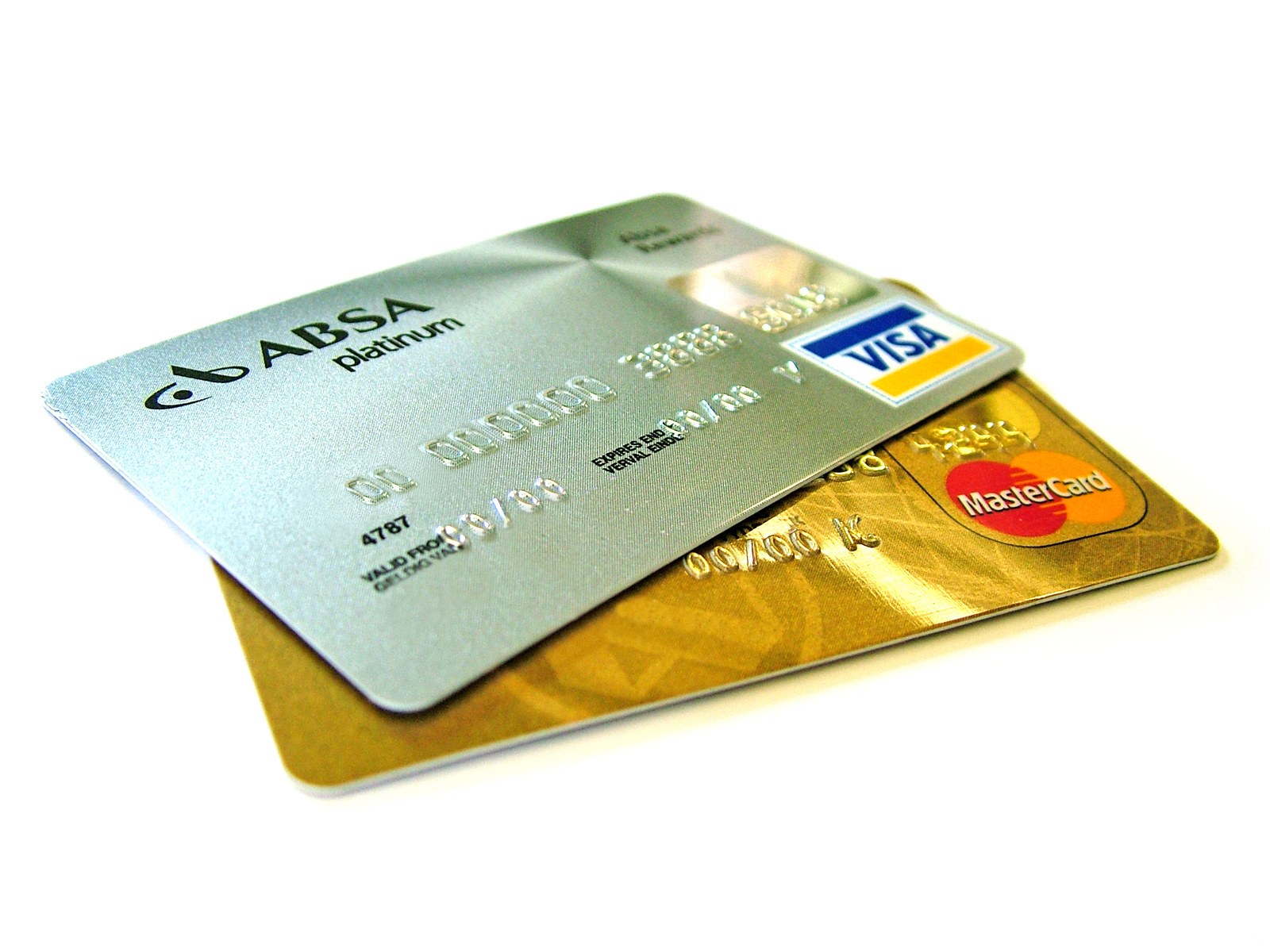
It does—but with very limited coverage. Usually 15-30 days valid, low baggage coverage, no real medical coverage for expensive destinations like the USA and Europe. See our credit card comparison.
2. Can I buy insurance after I've already started traveling?
Some insurers allow purchase during travel, but with waiting periods (generally 30 days) for coverage to be active. Always buy before boarding.
3. Does travel insurance cover pre-existing conditions?
Depends on the policy and the condition. Some cover stable conditions with prior declaration. Others exclude completely. Always declare—not declaring is fraud and can invalidate your entire policy.
4. Is it worth it for kids?
Yes—kids get injured, get fevers that scare you, and become ill. And you won't want to deal with a foreign healthcare system without 24/7 support in your language.
5. What if I never use it?
You didn't "lose" the money—you bought protection. The goal of insurance is not to use it. It's to ensure that if you need it, the bill won't financially destroy you.
6. Can I buy annual insurance if I travel frequently?
Yes—if you take 4+ international trips per year. For 1-2 trips, per-trip policies usually cost less.
Asteroid Assistance — coverage issued by regulated insurers
7. What's the most important coverage?
Medical emergency and evacuation. Medical costs abroad are unpredictable and catastrophic. Cancellation and baggage matter, but don't compare to the risk of a serious illness or accident in an expensive country.
Get your coverage — 60 seconds