Rice terraces, temple walks, and the surf culture of a thousand years.
Bali has been discovered 500 times. Photographers have documented its sunrises, Instagram has catalogued its swing, TikTok has flattened its complexity. But if you step 500 meters inland from any resort, you'll find an island that hasn't changed much in decades: the Balinese water irrigation system still works like it did in the 9th century, families still live and work in the same compounds their ancestors built, and the rhythm of planting and harvesting still dictates the calendar more than tourism does.
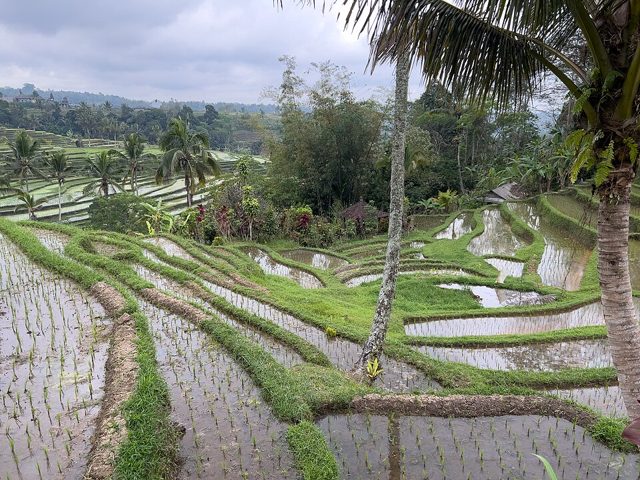
The rice terraces of Ubud, Tegallalang, and the Jatiluwih valleys are not just beautiful — they're a functioning agricultural system. Walk them early, before the tour groups arrive, and you'll see farmers actually working, not posing. The temples — Tanah Lot, Tirta Empul, Besakih — are genuine pilgrimage sites where people pray in Balinese Hindu rituals that go back centuries. And the waves on Bali's southern and eastern coasts still break the way they did before anyone was filming TikToks about them.
We've spent months here across multiple seasons. You'll find the temples that matter, the coastal villages where you'll eat better than at any resort restaurant, and how to live like Balian people do — not like a visitor consuming the island, but moving through it with actual presence.
Quick Facts
Ubud
Terraced valleys, spiritual retreats, writers' havens. The cultural heart. Cool climate. More expensive than other regions but worth the slower pace and genuine community vibes.
Kuta, Sanur, Canggu
Surfable waves, beach clubs, younger energy. More tourist infrastructure. Sanur is more authentic than Kuta; Canggu bridges tourism and local life. Good for water sports.
Sidemen, Jatiluwih, Pemuteran
Barely-touristed rice farming villages, volcanic mountains, pristine coastline. Where Bali still feels like Bali. Requires scooter or driver. No Instagram crowds.
Temples &
Spiritual Geography
Bali is 90% Hindu in a Muslim-majority Muslim country — a fact that explains everything about the island's spiritual intensity. The temples are not monuments. They're active pilgrimage sites where real ceremonies happen weekly. Visit at dawn, when locals are making offerings and the light is gold, not to capture photos but to witness actual faith in motion. Here are the temples that matter, beyond the Instagram sets.
Sacred: Carved stone meditation caves, 11th-century origins
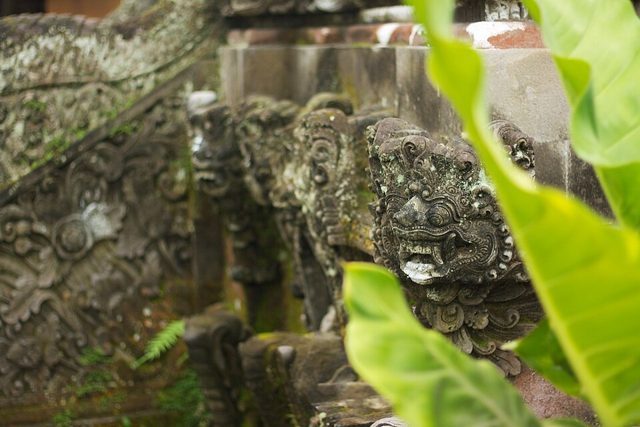
The entrance is carved into a massive stone demon face — not for shock value but as spiritual gatekeeping: only those with pure intent should enter. Inside: meditation caves, a stone bathing pool with ancient water channels, and carvings that predate most written history. Go at 6:30am, before visitors. The sacred energy is palpable. No photography inside.
Sacred: Holy spring water, 10th-century
The spring-fed pools are actually holy in Balinese Hinduism — locals come here to ritual bathe, not for the Instagram aesthetic. The water is believed to purify spiritually. Wear a sarong (rentals available) and bathe respectfully. Morning visits are less crowded. The temple terraces behind the water are quiet and beautiful.
Sacred: Clifftop temple at sunset, 17th-century
Yes, it's famous and touristy. But also genuinely spiritual. The cliff platform faces the Bali Sea and the priest here still performs ceremonies. Sunset is packed but arrive 45 minutes early for better positioning. Respectful dress required. The ocean views from the cliffs are among the best on the island.
Waves &
Coastal Villages
Bali's surf culture is real and still evolving. The breaks are world-class but not polished — parking, facilities, crowds are all still authentic. The fishing villages that fringe the coast operate more by sunrise tides than by tourism schedules. Eat fresh fish grilled that morning, watch actual fishermen work, watch the rhythm of a place that hasn't been fully productized.
Where to: Swim, explore rock formations
Cove beach hemmed by dramatic cliffs. Smaller waves than other breaks but consistent year-round. The local warungs are simple and genuine. Best accessed early morning before crowds. This is where Australian surfers have lived quietly for decades.
Where to: Fish market, local cafes, sunrise
Actual fishing village — boats depart at dawn, return around noon. Watch the tuna market in action. The local cafes serve breakfast to fishermen and tourists equally, no pretense. Walk the beach at 5:30am. Still real. Still Balinese. Sanur is more genuine than Kuta.
Where to: Cliff walk, sea temple views
400-meter cliffs with ocean views toward Mount Agung. Walk the clifftop path. The temples here sit at the edge of the literal world as Balinese see it. Sunset crowds are real, but arrive at 5:30am for empty cliffs and morning light that's even better.
Where to Eat
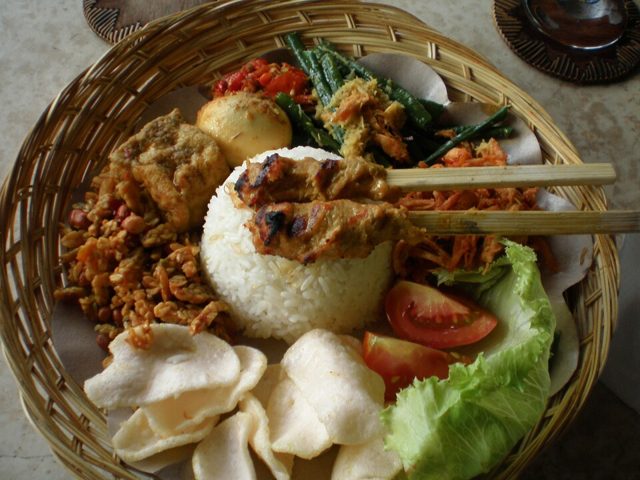
Tasting menu built from hyper-local Balinese ingredients.
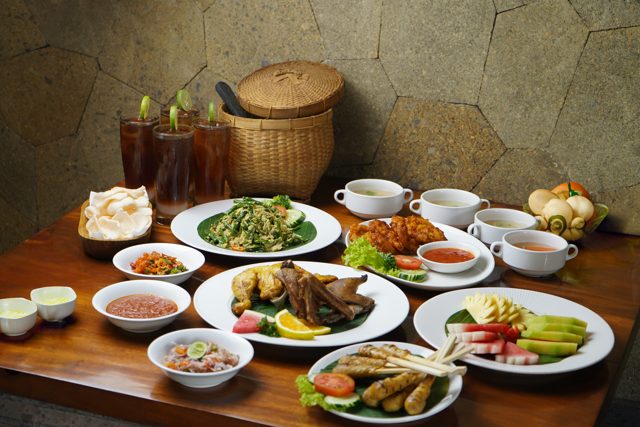
Crispy duck in a rice paddy setting since 1990.
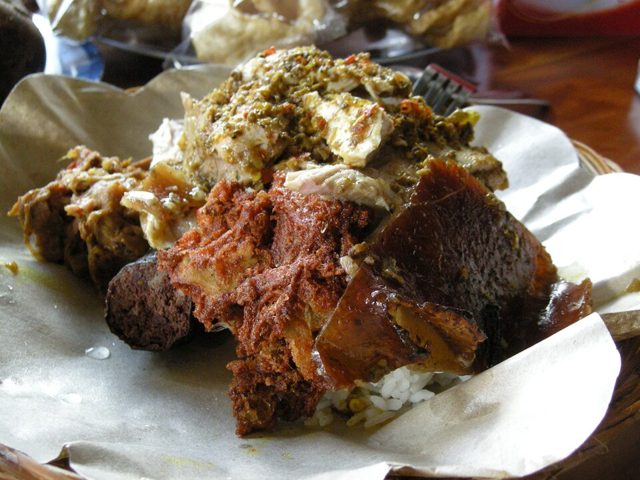
Legendary babi guling (spit-roast suckling pig).
Must-Do Experiences
Bali's soul lives in the details: ancient temples where real ceremonies happen, terraces carved over centuries, jungle waterfalls, and mountains at dawn. Skip the Instagram setups. Go for the spiritual geography.
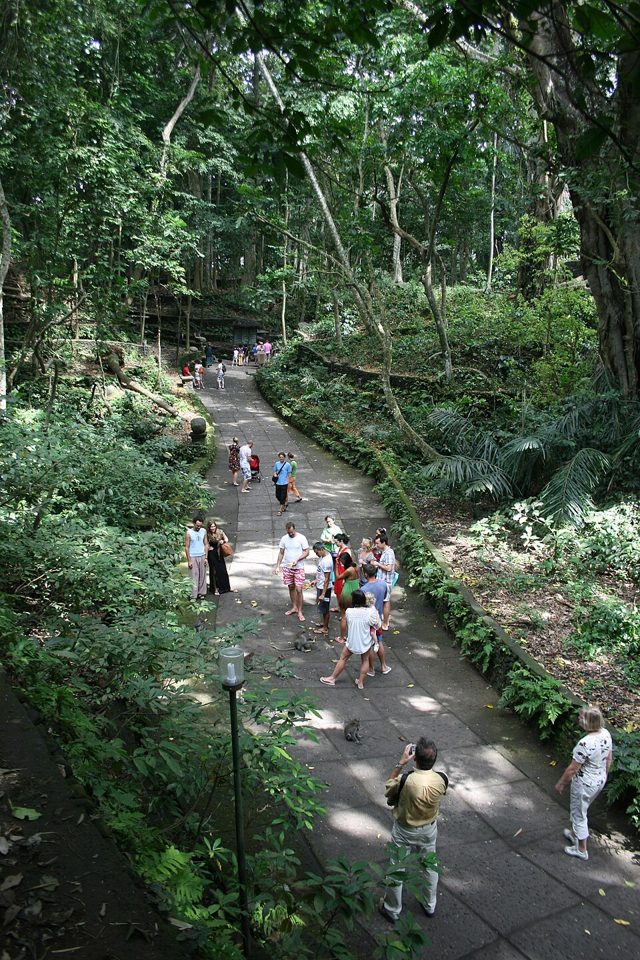
1,260 macaques in ancient temple grounds. Visit at dawn when locals make offerings. The animals are free-roaming and unpredictable — watch your belongings. This is working sacred space, not a petting zoo.
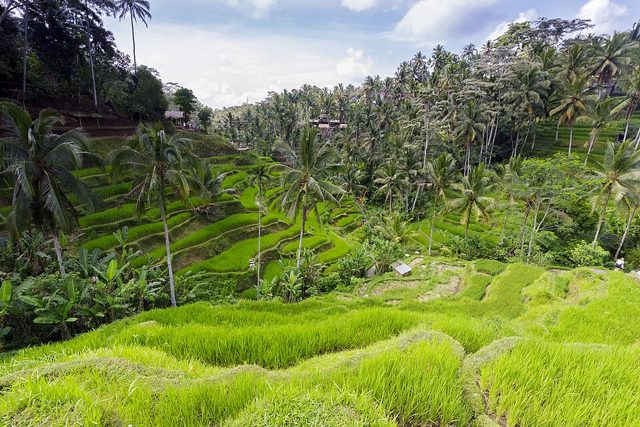
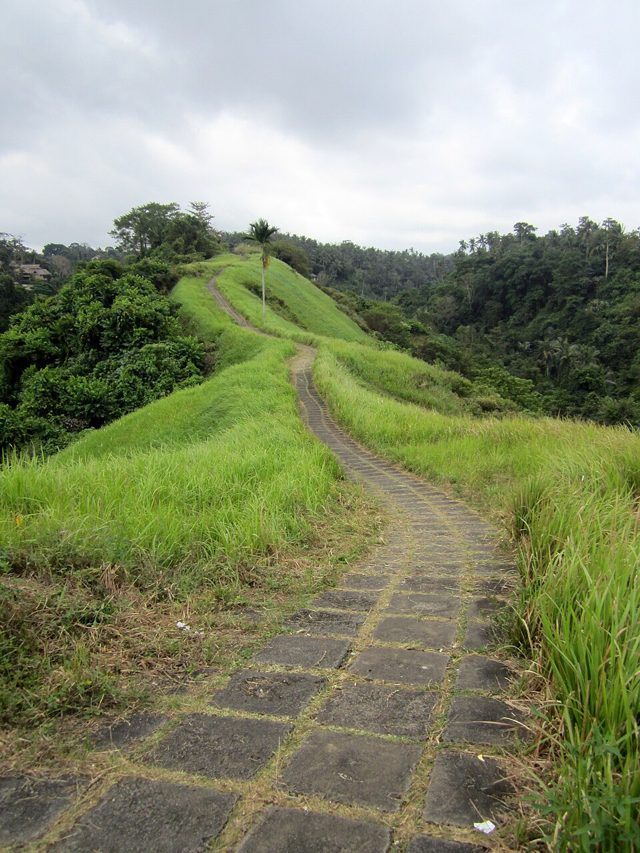
Emerald stepped fields carved over generations. Rope swings between paddies. Sunrise walks before tourists arrive. The geometry is hypnotic when you're alone in the mist.
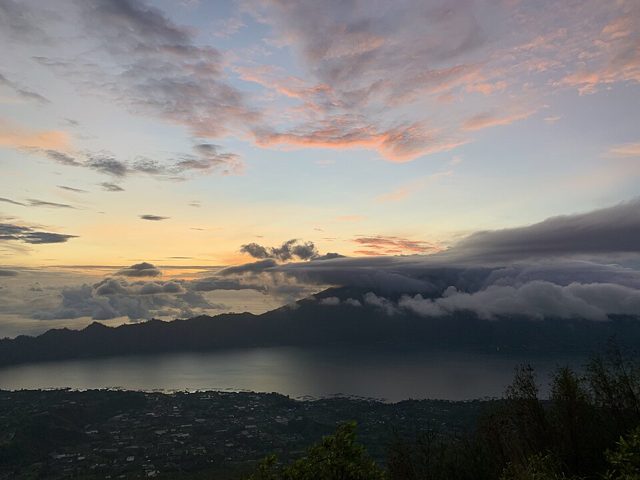
Start at 2 AM, climb in darkness, summit for sunrise over clouds and neighboring Agung volcano. The reward is perspective — the island from above, and from within your own body.
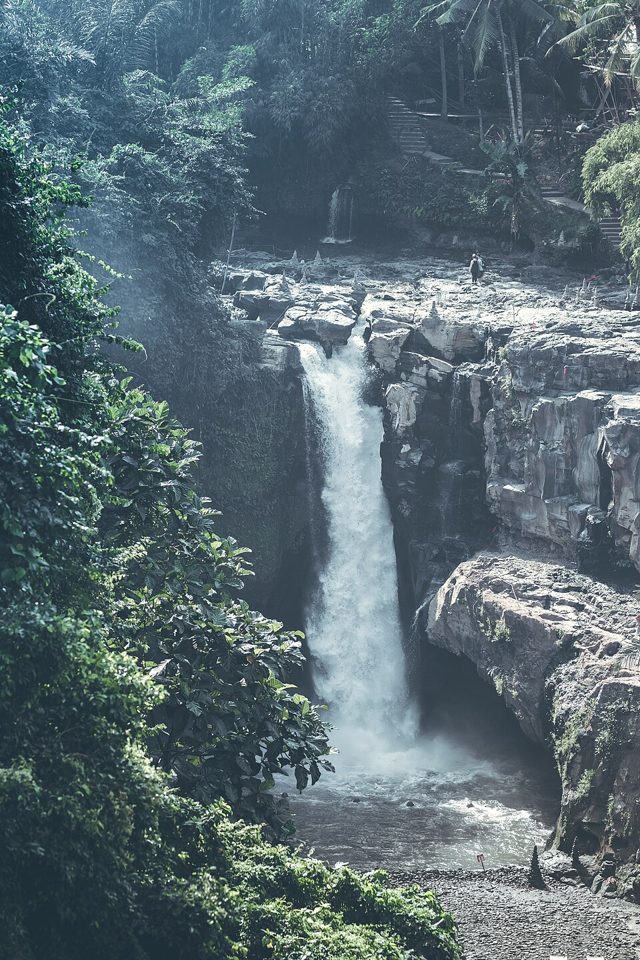
Hidden jungle waterfall with turquoise pool. Less crowded than Tegenungan. Peaceful swim after hiking through rice paddies. Bring a towel and patience.
Where to Stay
Ubud is more expensive but slower. Coastal areas offer better value. Look past resort names into actual neighborhoods — that's where you'll find the best deals and actual community.
Family-run guest houses with gardens, local breakfast included, personal attention. Ask locals for recommendations over booking sites. Usually negotiable if you stay a week.
Small hotel in Ubud center, reasonable price, genuine hospitality. Not a boutique hotel but better than tourist haunts. Sunset from the rooftop is solid.
Rice valley views, included activities (hikes, coffee plantations), peaceful isolation. Better than Ubud resorts because quieter. Worth the money for a real retreat.
High-end Ubud experience with design, infinity pool, restaurant. Positioned between luxury and authenticity — achieves both better than most places.
Getting There
from the Americas
Flights
LAX and SFO have the best connections via Asian hubs (Tokyo, Singapore, Taipei). MIA and JFK route through Dubai or Doha on Emirates/Qatar. GRU, GIG, and EZE via Middle East or Singapore. 20-30 hours total depending on origin.
Getting Around
Scooter rental 50-80k IDR/day is how locals do it. Grab taxi app works everywhere and is cheap. Hire a private driver for 400-600k IDR/full day — great value for groups.
Know Before You Go
Visa on Arrival 30 days, 500,000 IDR (~$30 USD) for most nationalities. Best April-Oct (dry season). Ubud is 2.5 hours from Denpasar airport — plan accordingly.
You might also like
Tokyo
Sort out the boring part in ten minutes — and enjoy the rest without surprises.