Geysers, glaciers, and the light at the edge of the world.
Iceland exists at the edge of human habitability — and that's the whole point. The Ring Road is only 1,332 kilometers, but every 50 kilometers the landscape transforms: lava fields become waterfalls, waterfalls become glacier valleys, glacier valleys become black sand beaches where the waves are tall enough to swallow buses. The cold is not poetic — it's functional. Your body works differently here. Time moves differently. The midnight sun of summer makes you feel like you're living in a dream state where sleep isn't required. The winter darkness and Northern Lights make you believe in forces larger than yourself.
The Blue Lagoon is famous and touristy — skip it. The geothermal springs are everywhere and authentic. The glaciers are melting — see them now. The waterfalls like Skógafoss and Gullfoss still hold the power to make you stop talking and just stand there. The small fishing towns on the coast have harbors where actual fishing boats work, not tourist boats performing fishing.
We've driven the Ring Road in three seasons. We've hiked glacier moraines and sat in natural hot springs surrounded by nothing but silence. Here's what actually matters, when the weather clears and you understand why Vikings thought this place was worth settling.
Quick Facts
June–August
Midnight sun (11pm sunsets, 3am sunrises). All roads passable. Warmest temps (10–15°C). Perfect for Ring Road road trips, glacier hikes, waterfall walks. Most expensive season. Busiest. Book accommodations weeks ahead.
September–October
Early autumn, fewer crowds, cheaper prices, still good hiking. Weather becoming unstable. Aurora season begins late September. Some mountain roads closing. Still excellent for Road trip. Underrated time.
December–February
Northern Lights season. Extreme cold (−5 to 5°C). Shortest days (3–4 hours sun). Many roads closed. Lowest prices. Requires specialized planning. Stunning aurora potential. Not for casual tourists.
The Ring Road
in 7–10 Days
The Ring Road (Route 1) circles the entire island in 1,332 kilometers — it's paved, it's safe, and it's one of the world's truly great road trips. Rent a 4x4 if traveling Sept–May (winter roads are icy). Drive 300–400 km per day maximum to actually see things. Stop when you find beauty, not according to GPS time. The waterfalls, glaciers, and black sand beaches reveal themselves to the patient driver.
Famous waterfalls worth the crowds
Two waterfalls on the same stretch. Seljalandsfoss: you can walk behind the falling water (bring waterproof jacket). Skógafoss: 62-meter drop with thunderous power. Both worth stopping for. Arrive early morning to avoid tour buses.
Hiking through three glaciers
Stunning valley hike between Eyjafjallajökull and Katla glaciers. 4–5 hours round trip. Requires river crossings and proper equipment. The landscape is primordial — ash, ice, rushing glacial water. This is Iceland distilled.
Icebergs in a glacial lake
Glacial lake where icebergs float. Boat tours available but pricey. The black sand beach next to the lagoon (Diamond Beach) is equally stunning and free. Sunrise here is ethereal.
Hot Springs &
Geothermal Iceland
Iceland sits on an active geothermal zone. Geysers erupt, hot springs steam, and natural thermal pools offer warmth in the cold. The Blue Lagoon is packaged tourism (expensive, crowded). The real experience is finding unnamed hot springs in remote valleys where you can sit in 38°C water under November stars while ice forms on the edges of the pool.
69°C boiling water, ancient bathing pools
Europe's hottest spring (180 liters per second at 69°C). Locals have built bathing pools where the water cools to perfect swimming temperature. This is where Icelanders actually bathe, not tourists. Bring swimsuit. No facilities, just pure geothermal Icelander-style. The smell of sulfur means it's working.
Where to Eat
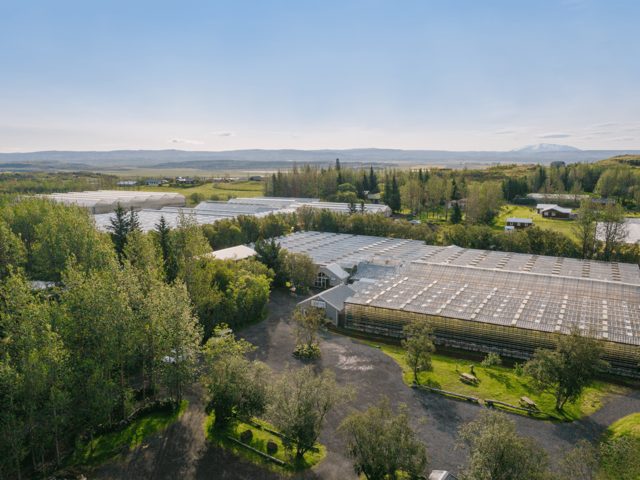
Unlimited tomato soup and fresh bread inside a greenhouse.
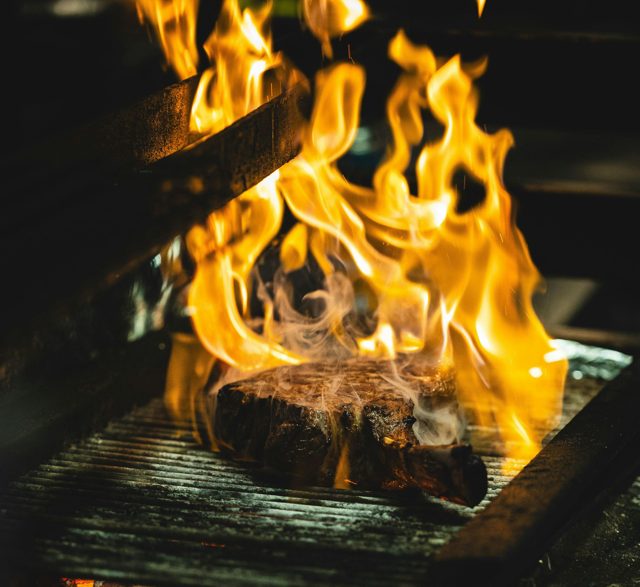
Premium Icelandic lamb and fresh catch of the day.
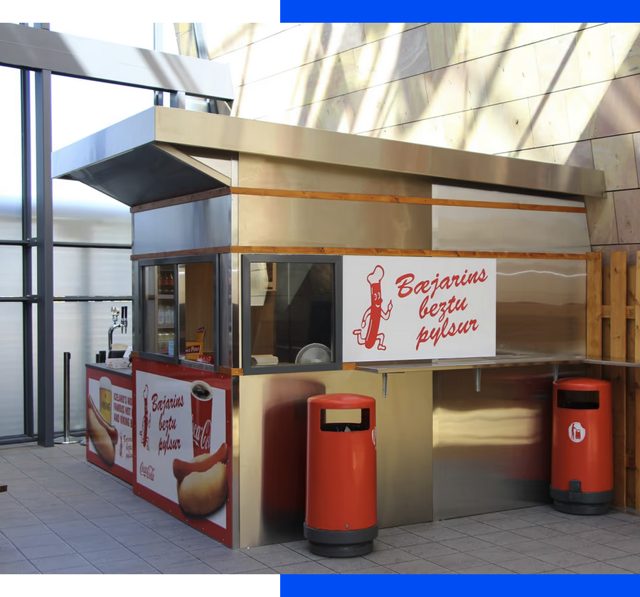
Iceland's most famous hot dog stand since 1937.
Iceland Must-Dos
These experiences define Iceland. Plan 1–2 days for each.
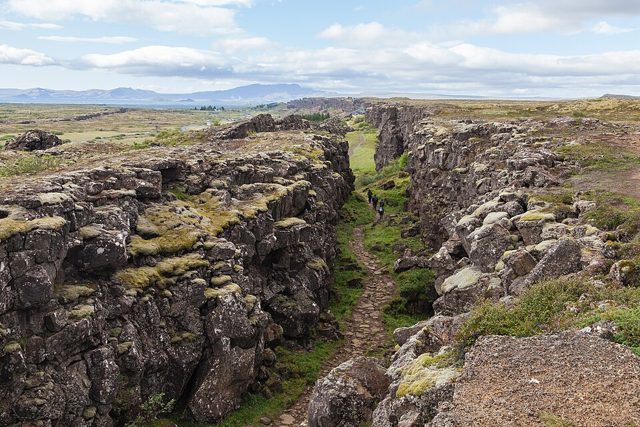
Iceland's most essential day trip. Tectonic plates, thundering waterfall, erupting geyser every 5–10 minutes. Geysers discharge scalding water 20–40 meters in the air. Go early to avoid crowds.
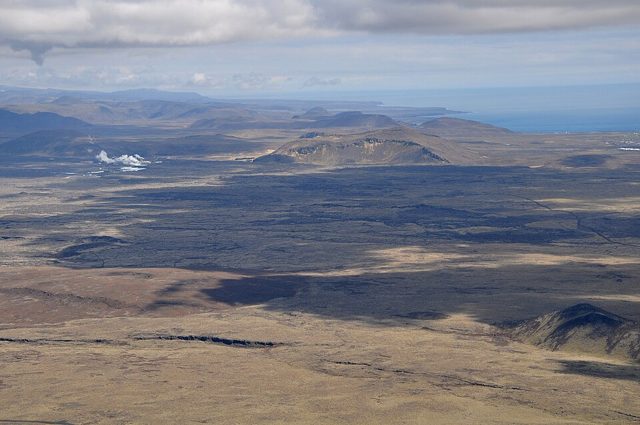
Milky-blue 37°C water in a lava field. Silica mud masks, waterfall shower, otherworldly landscape. Book online ahead; sells out summers. Go at sunset for fewer crowds.
September to March. Best seen from countryside, away from Reykjavik light pollution. Clear skies required. Book guided tours or rent a camper van and drive. Life-changing when it happens.
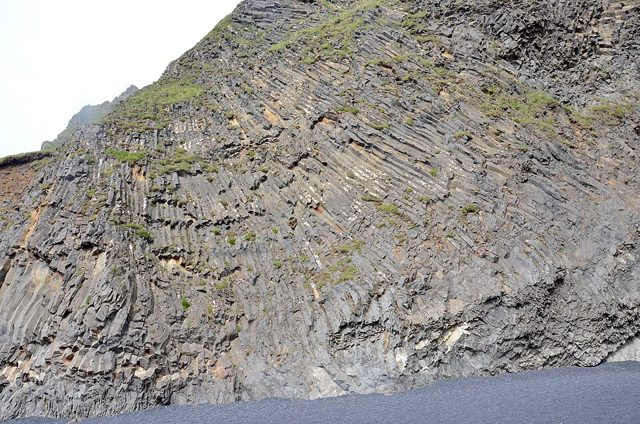
Jet-black sand, crashing Atlantic waves, hexagonal basalt columns. Incredibly scenic. Watch for sneaker waves — never turn your back to the ocean. Best at sunrise or sunset.
Where to Stay
Summer: book months ahead. Winter: better availability, lower prices. Road trip strategy: stay in small towns not major tourist centers. You'll find actual hospitality.
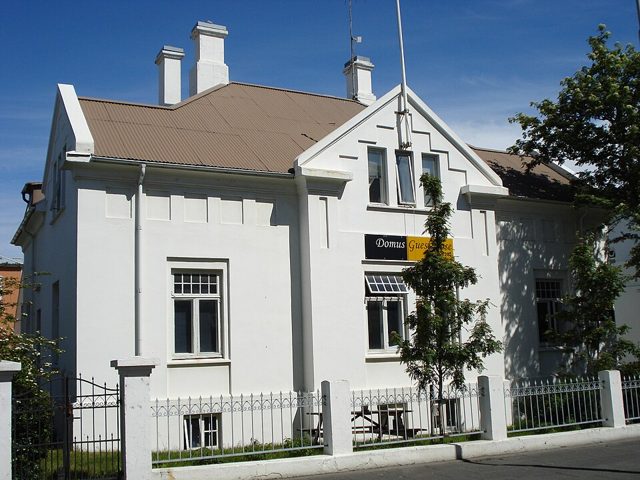
Family-run guesthouses in small towns. Simple, clean, often include breakfast. Much better value than Reykjavík. Book ahead, especially summer. Ask locals for recommendations over websites.
2–3 star hotels in Höfn, Akureyri, Vik. Good base for Road trip exploration. Decent restaurants on-site. Book 4–6 weeks ahead in summer.
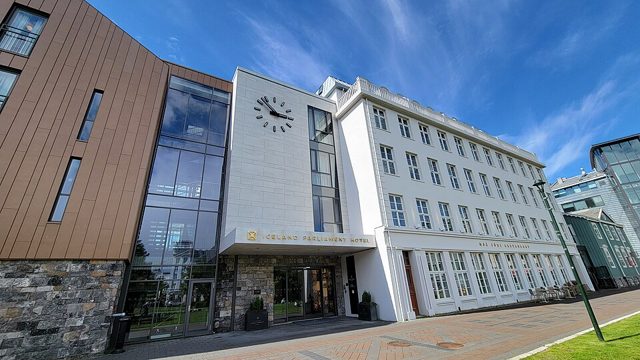
Design-focused hotels in Akureyri or smaller towns. Hot tub on-site (almost always), northern light viewing area. Worth splurging for winter trips. Excellent restaurants.
ION Adventure Hotel or similar: geothermal design, glass architecture, hot spring access, Michelin-level dining. The Iceland experience for splurge-willing travelers.
Getting There
from the Americas
Flights
New York (JFK) has the best connections on Icelandair and PLAY, with direct flights in 5.5 hours. From Miami, routes go via London or Boston (total 8–10 hours). São Paulo (GRU), Rio (GIG), Mexico City (MEX), and Bogotá (BOG) connect through London or Copenhagen, taking 16–20 hours depending on connection. Los Angeles (LAX) routes go via Seattle or London (total 14–18 hours). Summer flights cost 40% more, so consider traveling in shoulder season for better pricing.
Getting Around
Rent a 4x4 at Keflavík airport — necessary September–May for snow and ice on roads. Summer roads are passable with standard cars. Car rentals cost EUR 30–60 per day with insurance. The Ring Road is 1,332 kilometers of paved highway. Fuel is expensive at ISK 200–250 per liter. Plan 300–400 kilometers per day to actually stop and enjoy the waterfalls, glaciers, and geothermal sites. No public transit exists outside Reykjavík.
Know Before You Go
Schengen visa required for most LATAM nationals — apply at the Nordic embassy in your country (Danish, Norwegian, or Swedish embassies are often faster than Icelandic). Travel insurance is mandatory for the visa. Budget minimum EUR 150 per day — Iceland is expensive. Best June–August for midnight sun and all roads passable, or December–February for Northern Lights (and lower prices). Pack thermal layers, waterproof gear, and sunscreen.
You might also like
Lofoten
Sort out the boring part in ten minutes — and enjoy the rest without surprises.