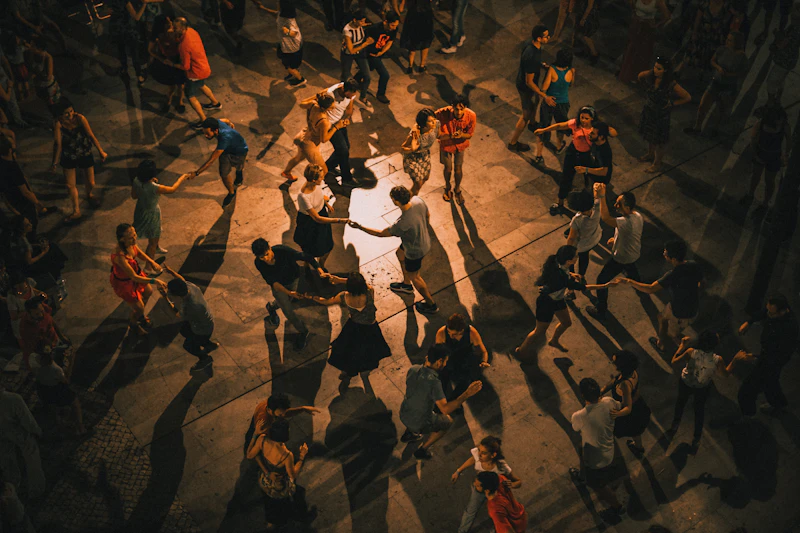
Bacalhau. Pastéis de nata. Fado in Alfama at 2 a.m. A city that has been welcoming the world since 1500.
Lisbon is the European capital that feels instantly familiar. The rhythm is unhurried, the people are warm, the food connects history directly to the plate. And yet it is unmistakably Europe — the architecture, the pace, the Atlantic light.
Fado is the audio version of saudade — the melancholy longing that defines Portuguese culture. Walk into Alfama at night and find a Fado house where a woman sings about loss, regret and the Atlantic. You do not need to understand the words to understand the music.
Lisbon also hosts one of the deepest expat communities in Europe. Príncipe Real is its heart — bars, restaurants, nightlife, and a mix of newcomers on D7 (passive-income) visas and people who came for a season and never left.
We have eaten in Michelin-starred rooms and at standing-only bacalhau counters. We have listened to Fado from 10 p.m. to 3 a.m. and felt the weight of centuries. This is the guide.
Quick Facts
Where to Eat
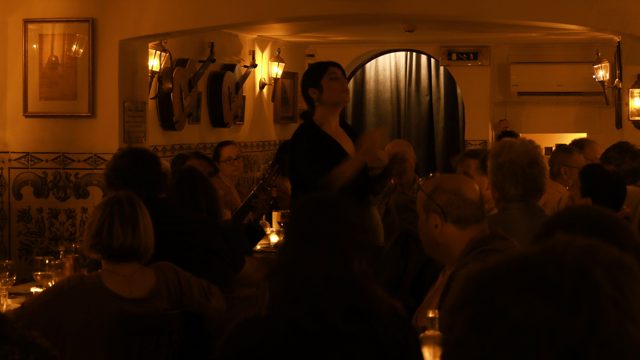
Bacalhau à Brás with live Fado.
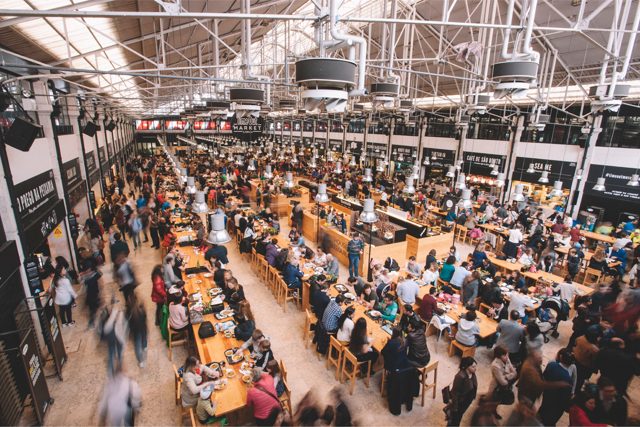
Lisbon's best chefs under one roof.
Must-Do Experiences
Lisbon reveals itself through movement: trams through the narrow streets of Alfama, pastéis de nata at dawn, castle views, Fado in dark rooms, day trips to the fairy-tale palaces of Sintra. This is the experience.
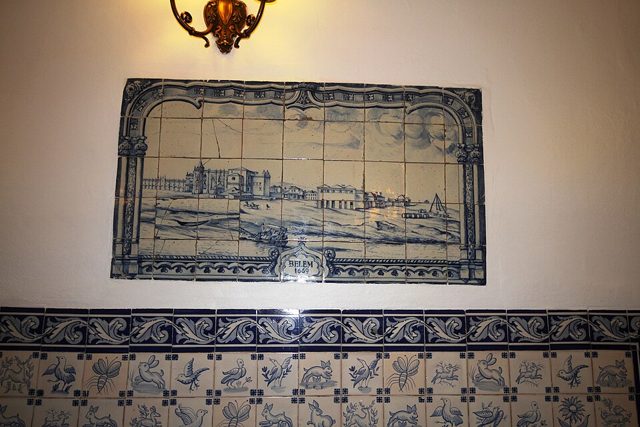
Iconic pastéis de nata since 1837. The original, the best. Buy three. Eat them warm. The pastry crackles when you bite. The custard is hot and lightly caramelized. This is heaven at 7 a.m.
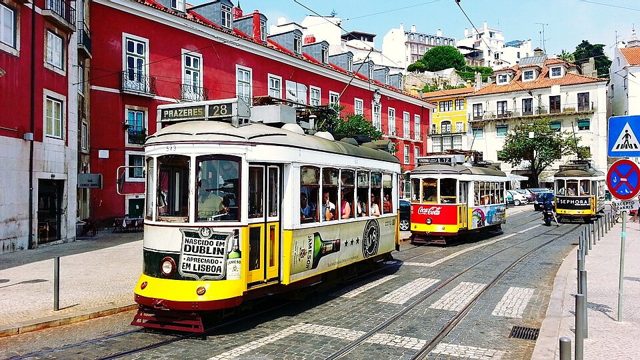
A vintage yellow tram through narrow cobbled streets. Laundry strung between buildings. The neighborhood moving beneath you. This is Lisbon compressed into one ride.
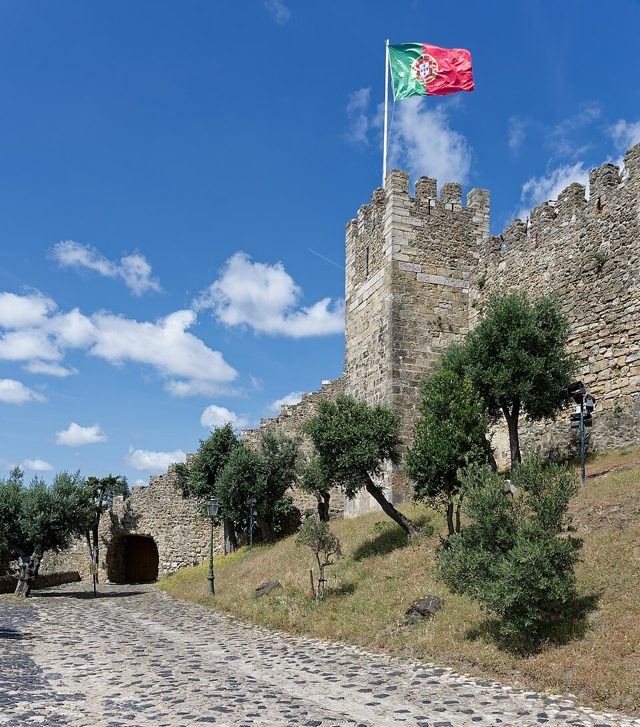
A medieval castle above Alfama. Walk the ramparts. The whole city spreads out below — the Tagus, the bridges, hill after hill. This is the view Lisbon was built for.
The fairy-tale Pena Palace (it looks impossible). The Moorish Castle in the mist. Cabo da Roca, the westernmost point of Europe. 45 minutes from Lisbon. This is Portugal beyond the city.
Where to Stay
Lisbon by neighborhood. Each one tells a different story. Pick the one that matches your mood.
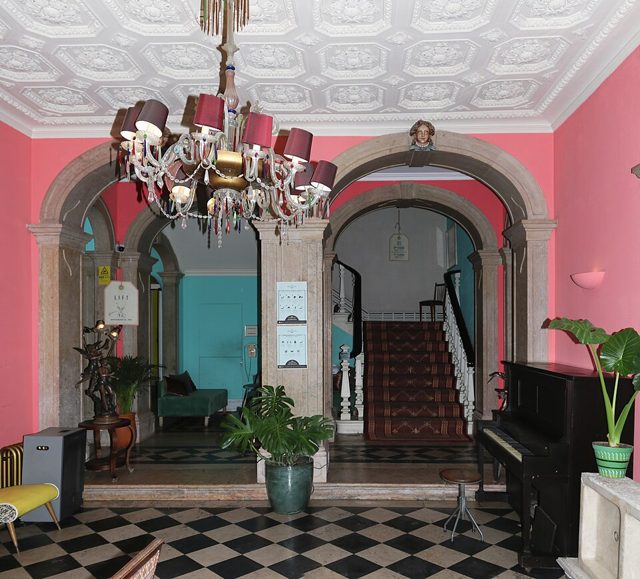
Príncipe Real, the expat quarter. Private rooms and dorms, social atmosphere, steps from great bars and restaurants. The budget option that feels like home.
In Alfama, a small luxury hotel with a rooftop bar over the Tagus. Wander the narrow streets to the Fado houses. This is the poet's quarter, where history feels present.
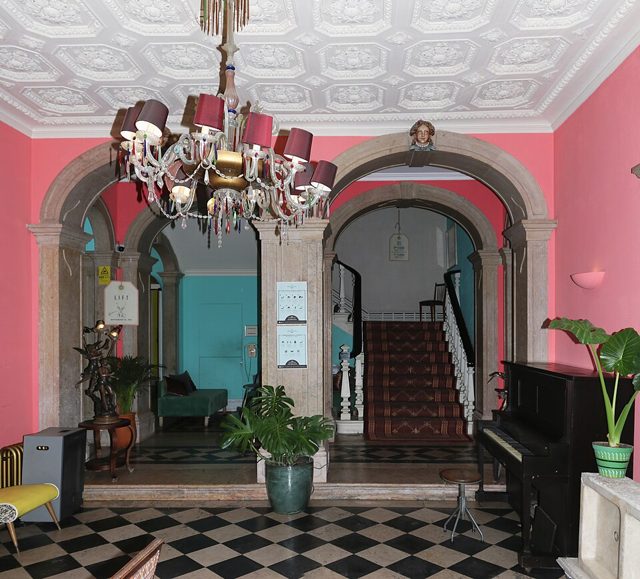
Chiado/Bairro Alto, boutique 4-star. Modern comfort in the bohemian quarter. Steps from A Brasileira, great restaurants, nightlife and city views.

The Lapa district, a historic palace with 5-star service. Museums, galleries and fine dining on foot. For when you want the best of Portugal and are willing to pay for it.
Getting There
from the Americas
Flights
São Paulo (GRU) and Rio (GIG) have direct TAP flights (8-9 hours — the cheapest route from the Americas). JFK and MIA fly direct on TAP or Azores Airlines. MEX, BOG and PTY connect via Madrid on Iberia. DFW via London or Madrid. One of the easiest European cities to reach from the Americas.
Getting Around
The Metro Red Line runs from the airport to the center for €1.90. Tram 28 passes through every main neighborhood. Walking is best in Alfama, Chiado and Bairro Alto.
Know Before You Go
Schengen zone — visa-free 90 days for US/Canada/most LATAM passports. Best in April-May or September-October. English is widely understood in the center; a few words of Portuguese open doors.
Lisbon is safe — but travel complications still happen.
Rail strikes, airline delays, medical needs far from home — Asteroid activates when your flight is late or your trip falls apart. 24/7 multilingual assistance for any emergency. Protect your trip →
Carolina was on a train trip to the Algarve when CP (Comboios de Portugal) rail workers went on strike. Asteroid detected the cancellation and processed the payout automatically.
Sort out the boring part in ten minutes — and enjoy the rest without surprises.