The last place where wilderness still means wild. Not conquered. Not civilized. Just barely tolerated.
Patagonia is the southernmost region of South America — split between Argentina and Chile, bounded by the Atlantic and Pacific, with nothing but Antarctica below. It's the only landscape that can make you understand why explorers sailed further away from civilization instead of returning home.
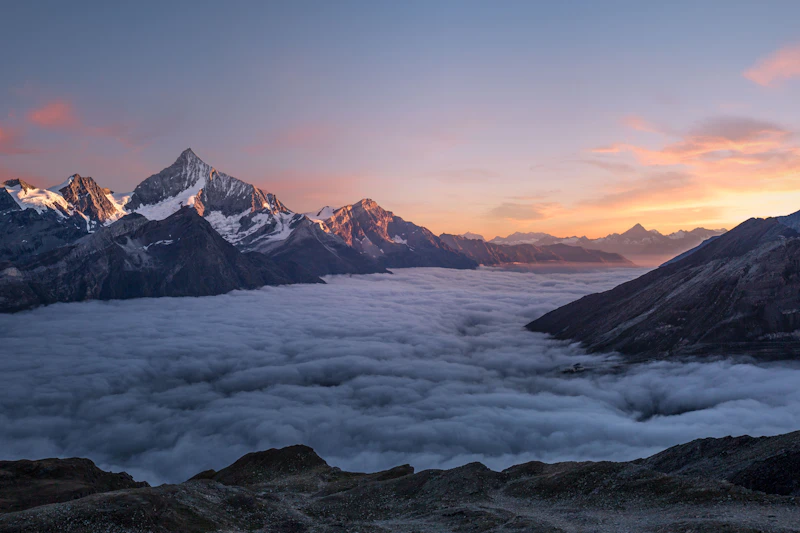
The famous treks here are Torres del Paine (Chile), El Chaltén (Argentina), and the Perito Moreno Glacier (Argentina). They're famous because they're phenomenal. A five-day trek in Torres del Paine covers roughly 50 kilometers through terrain that changes completely every four hours — rainforest to alpine meadow to glacier valley to windswept steppe. El Chaltén is a hiking town where every restaurant is full of trekkers trading stories and comparing blisters. Perito Moreno is a glacier so massive that a piece the size of a neighborhood can calve into a lake in a single moment, the sound reaching you a second later like thunder.
Brazilians don't need visas. The drive from Buenos Aires takes 30 hours. The flight takes 3 hours. The price varies dramatically depending on season. The reward is landscapes that redefine what landscape means.
This is not a destination for rest. It's a destination for renewal.
Quick Facts
Where to Eat

Homemade pasta and Argentine Malbec after the trail.
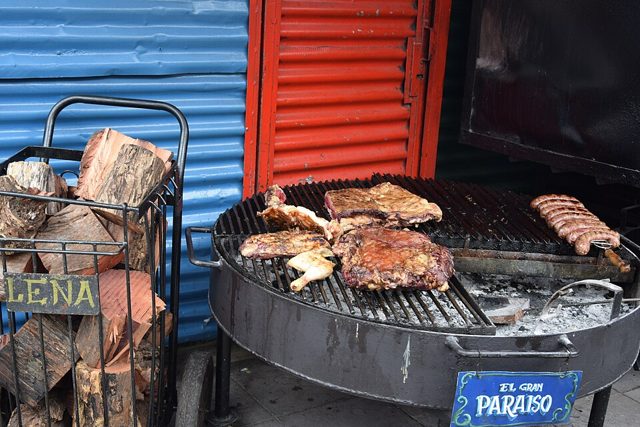
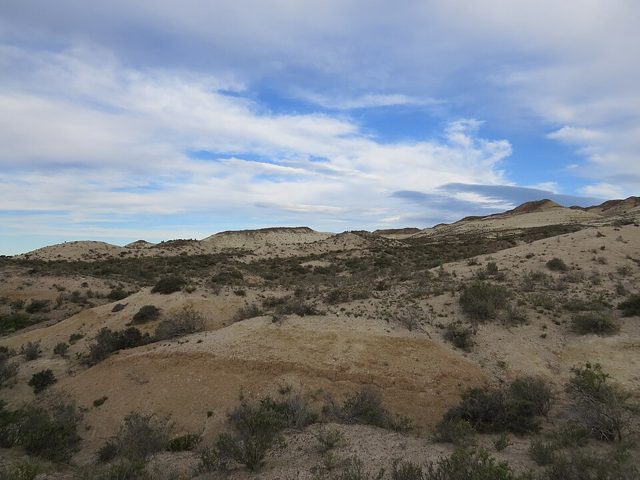
Patagonian king crab and craft beer with glacier views.
The Essential Experiences
Four reasons people come to Patagonia. All achievable November–March.
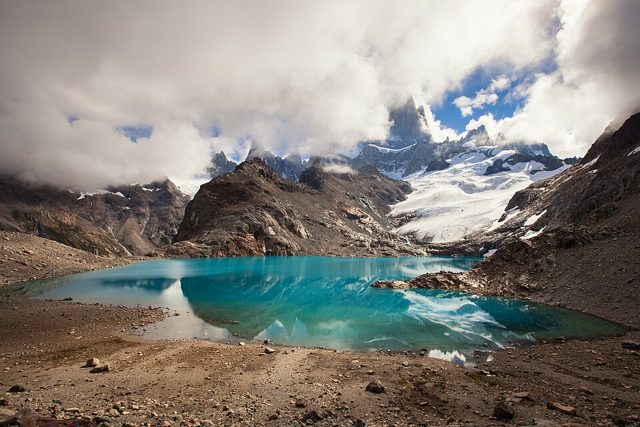
The "Patagonia logo" hike. 25 kilometers, 8–10 hours, turquoise lagoon reflecting the three granite peaks. Fitz Roy, Torre, and Poincenot framed in perfect alpine water. The hike that launched a thousand Instagram accounts.
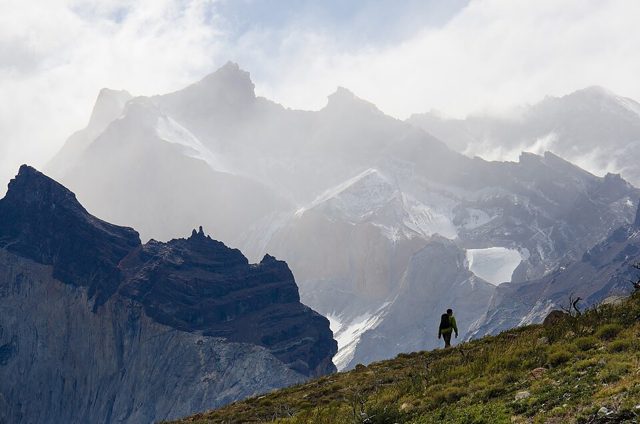
5 days through three valleys. Granite towers, glaciers, guanacos, and terrain that shifts from rainforest to alpine to steppe. The most scenic 50 kilometers on Earth. Book 2–3 months ahead.
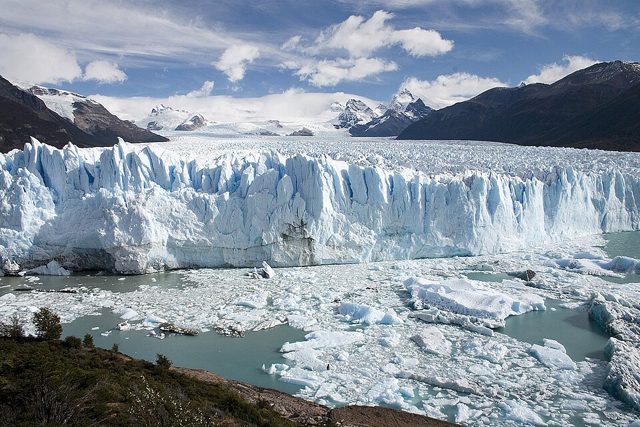
Walk on it with crampons. Watch building-sized ice chunks calve into the lake with the sound of distant thunder. A glacier advancing (not retreating). 60 meters tall, 5 kilometers wide, advancing 30 meters per day.
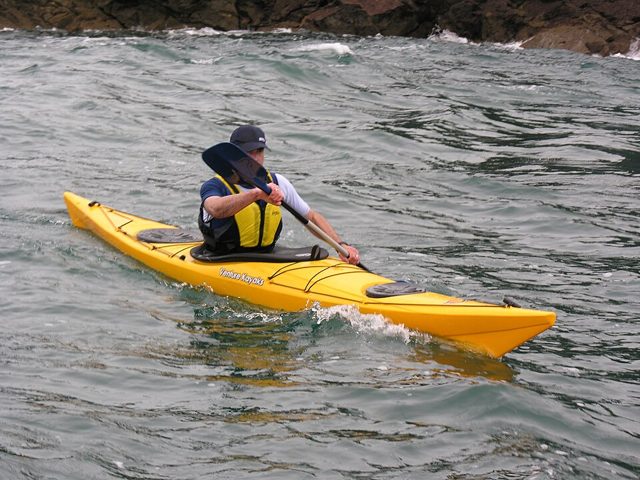
Paddle among icebergs. Blue ice, silence, Patagonian wind. Part of the W Trek route but also available as a standalone activity. The moment an iceberg flips is the moment your perspective on scale changes forever.
Where to Stay
Base camps for adventures. Choose based on which trek you're doing.
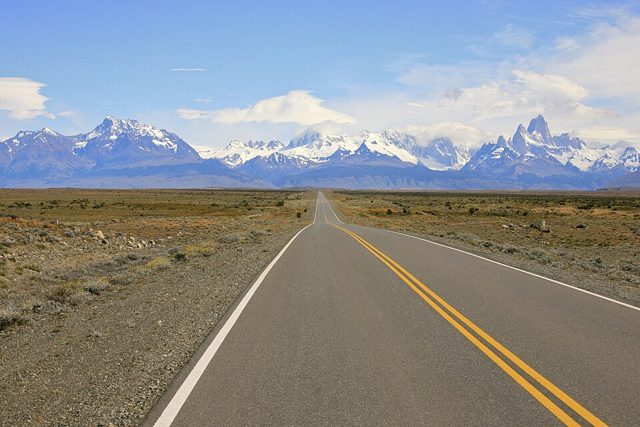
Dorms and private rooms in the hiking town. Social atmosphere where trekkers share stories. Basic but clean. Walking distance to all trailheads.
Luxury estancia (ranch) experience. Horseback rides, gaucho culture, and comfort after harsh trekking. Views of Perito Moreno.
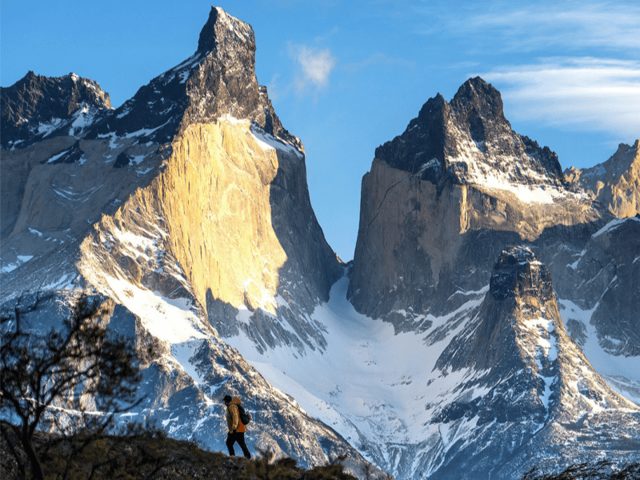
Gateway to Torres del Paine with warm rooms and excellent restaurant. Base for the W Trek or Circuit Trek.
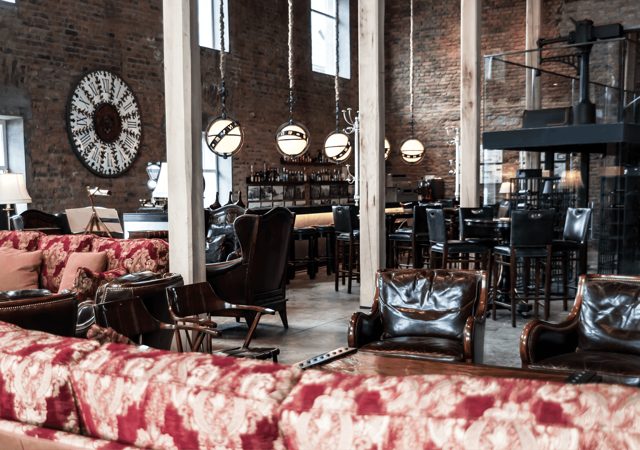
A design hotel in a historic frigorífico (meat packing plant). Luxury before and after challenging trekking. World-class restaurant.
Getting There
from the Americas
Flights
Buenos Aires (EZE) is the main gateway with direct flights from Miami (11 hours), New York (11 hours), São Paulo/Rio (3 hours), Santiago (2 hours), and Bogotá (7 hours). From Buenos Aires, fly domestic to El Calafate (FTE) for Perito Moreno Glacier and El Chaltén (3 hours), or to Punta Arenas for Torres del Paine. Dallas (DFW) and Los Angeles (LAX) connect via Buenos Aires or Santiago. Direct flights from major American cities make Patagonia accessible in 24–30 hours.
Getting Around
Rent a 4x4 for unpaved roads — essential for exploring all areas. El Chaltén is 3 hours north of El Calafate by car on a well-maintained route. Torres del Paine is accessible from Puerto Natales via a scenic dirt road (4–5 hours). Easy Argentina–Chile border crossings — just bring your passport. Road conditions are manageable for standard vehicles on main routes, but 4x4 provides flexibility for secondary roads and weather resilience.
Know Before You Go
90-day visa-free for US, Canadian, and all LATAM nationals. Best November–February for Patagonian summer when all activities are possible and weather is warmest. Bring USD or Argentine Peso (rates vary at borders). Avoid April–October when cold, snow, and closed lodges limit options significantly. Cash essential: withdraw ARS or bring USD 100–200 for a week. Wind is intense year-round — bring windproof layers and plan hiking early morning before afternoon gusts.
You might also like
Iceland
Pablo was halfway through the W Trek when 100 km/h winds at El Calafate forced return flights to be cancelled. Asteroid detected the delay and processed the payout automatically, no receipts required.
Sort out the boring part in ten minutes — and enjoy the rest without surprises.