More than karaoke and robot restaurants. The real Tokyo lives in tiny rooms where strangers become drinking buddies.
Tokyo's food scene isn't about Instagram. It's about obsession. A ramen shop open since 1965, still owned by the same family, still making broth that simmers 18 hours a day. Izakayas where the chef has been working the same counter for 30 years and knows what you'll order before you sit down. Nightlife that doesn't need cruise ship tourism — salarymen in Shinjuku, teenagers in Shibuya, jazz bars in Ginza that have been playing the same records since 1972.
Brazil and Japan don't share a language, but they share a street food culture and a social drinking tradition that's almost identical. When you understand this, Tokyo stops being foreign and starts being home — just a home where the noodles are better and the order is precise.
We've eaten at izakayas, ramen shops, late-night standing bars, and one-man sushi counters. The guide that follows is for travelers who want Tokyo without the guidebook.
Quick Facts
Where to Eat
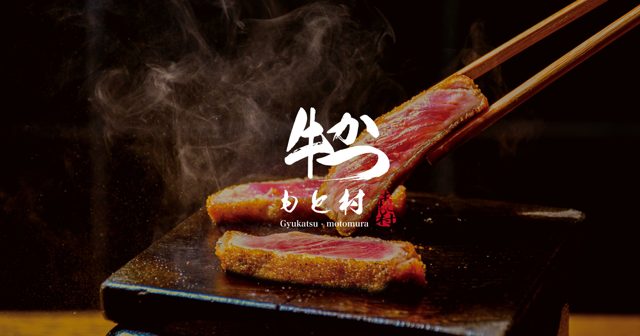
Beef cutlet sizzled on a hot stone at your table.
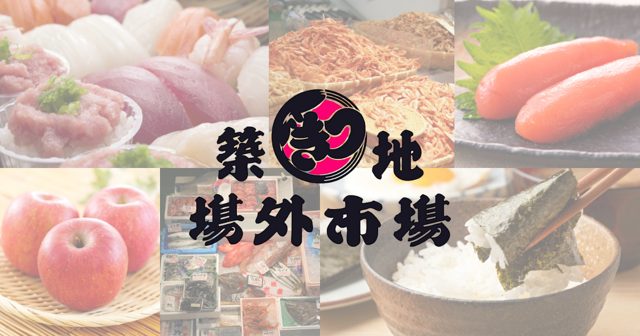
Street-food alley: tamagoyaki, fresh tuna skewers, mochi.
Tokyo on Social
Must-Do
Tokyo rewards wandering. These are the moments that reshape how you see the city.
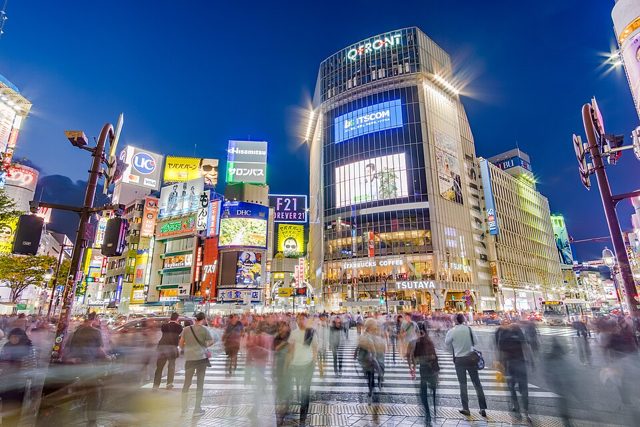
World's busiest pedestrian crossing. 3,000 people per light cycle. The pulse of Tokyo visible from the Starbucks above. Arrive at dusk.
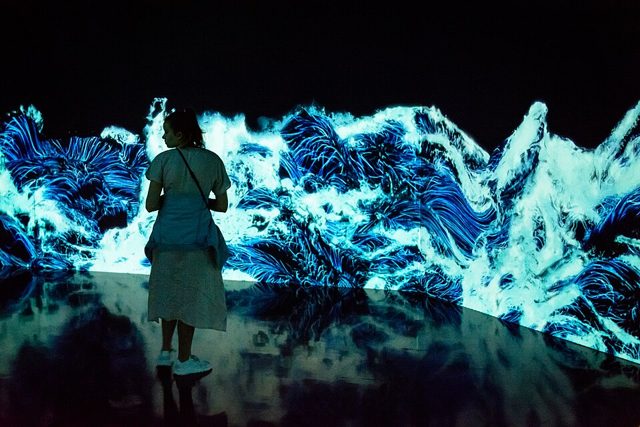
Immersive digital art museum at Azabudai Hills. Forests of light, crystal universes, waterfalls you can walk through. Plan 3+ hours.
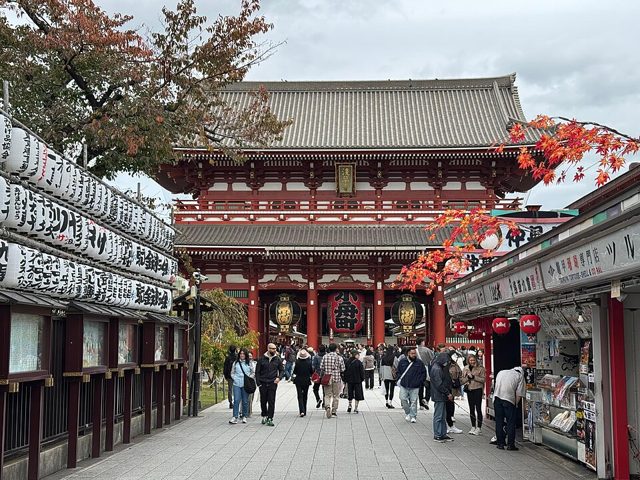
Tokyo's oldest temple. Stunning at dawn before crowds. Sacred energy, red lanterns, and the smell of incense that hasn't changed in 400 years.
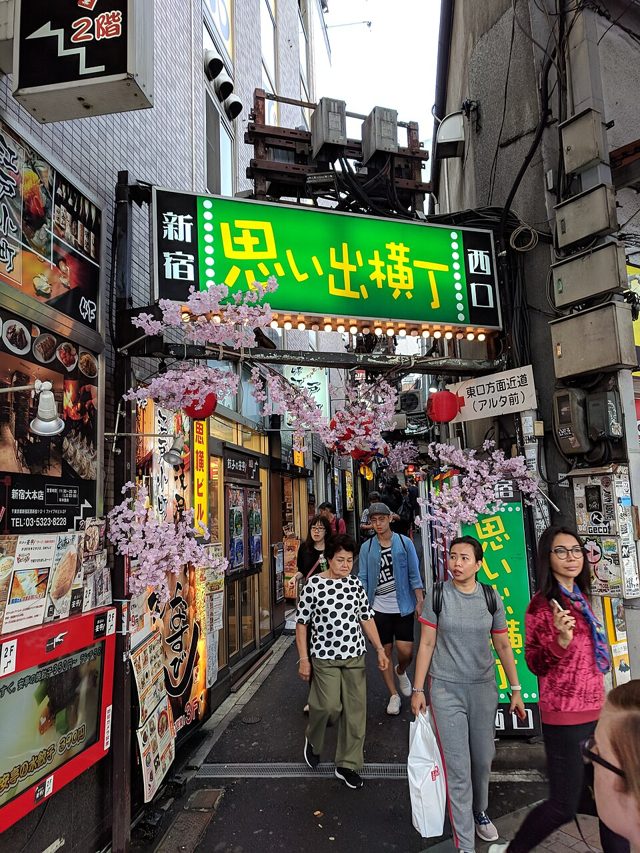
Shinjuku's preserved 1940s izakaya alleyway. Narrow, dim, timeless. Walk it at night when the signs light up and salarymen pack the bars.
Where to Stay
Four neighborhoods, four styles, four price points. Tokyo is a city of neighborhoods. Stay in the right one and the city opens up.
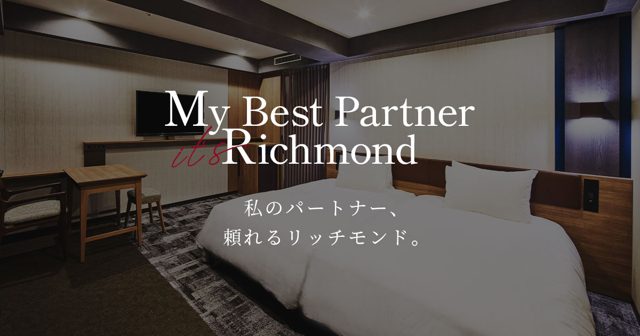
Right on Shibuya Crossing, in the chaos. No quiet, but you're in the center of the action. Clean rooms, reasonable price. Walk to izakayas, ramen, nightlife, shopping. The Crossing is literally outside your window.
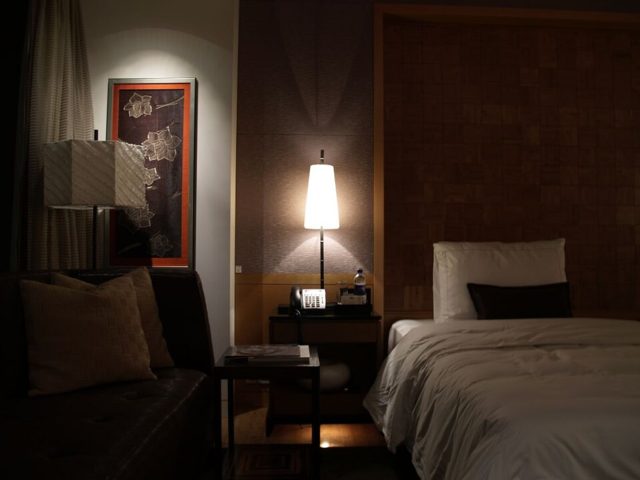
Ginza location, modern luxury. Minimal style, serious comfort. Walking distance to the best izakayas and standing bars. Views of the city at night. The neighborhood is quieter than Shibuya but more sophisticated.
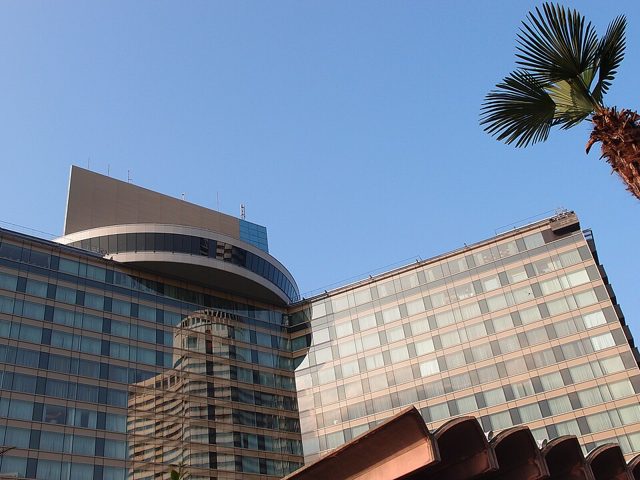
Akasaka location, 5-star service, traditional garden. Central to business district but walking distance to Roppongi nightlife. Multiple restaurants on-site including Michelin-trained chefs.
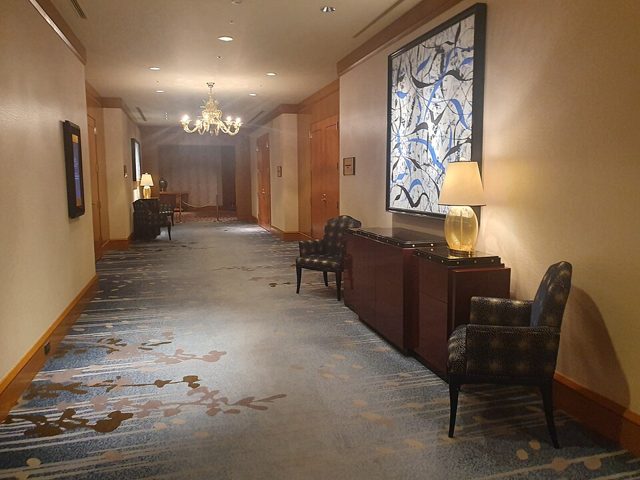
Roppongi Hills, top floors, Tokyo at your feet. The most exclusive address in the city. When you want Tokyo but also want rest from Tokyo's pace. World-class service and Michelin restaurants in-house.
Getting There
from the Americas
Flights
MIA and LAX have the most options via direct or one-stop to NRT/HND. São Paulo (GRU) and Rio (GIG) on ANA/LATAM take 18-20 hours via connection. MEX via LAX or DFW. JFK has direct ANA/JAL flights (14 hours). BOG, EZE, LIM, SCL connect via US or Asian hubs. Expect $800-1,500 USD round-trip depending on origin and season.
Getting Around
Get a Suica or Pasmo IC card at the airport — it works on every train, bus, and metro. Narita Express or Keikyu line to central Tokyo. Skip taxis.
Know Before You Go
Visa-free 90 days for US, Canadian, and most Latin American passport holders. Best March-April (cherry blossoms) or Oct-Nov. Cash is king — carry ¥50,000+.
You might also like
Bali
Marcelo was on his last night in Tokyo when a tropical typhoon forced flight cancellations. Asteroid detected the 3+ hour delay and started the payout automatically before he even reached the airport.
Sort out the boring part in ten minutes — and enjoy the rest without surprises.